



Understanding Ultra Purified Water Systems: Essential Insights for Industrial Applications
Time:
Dec 31,2025
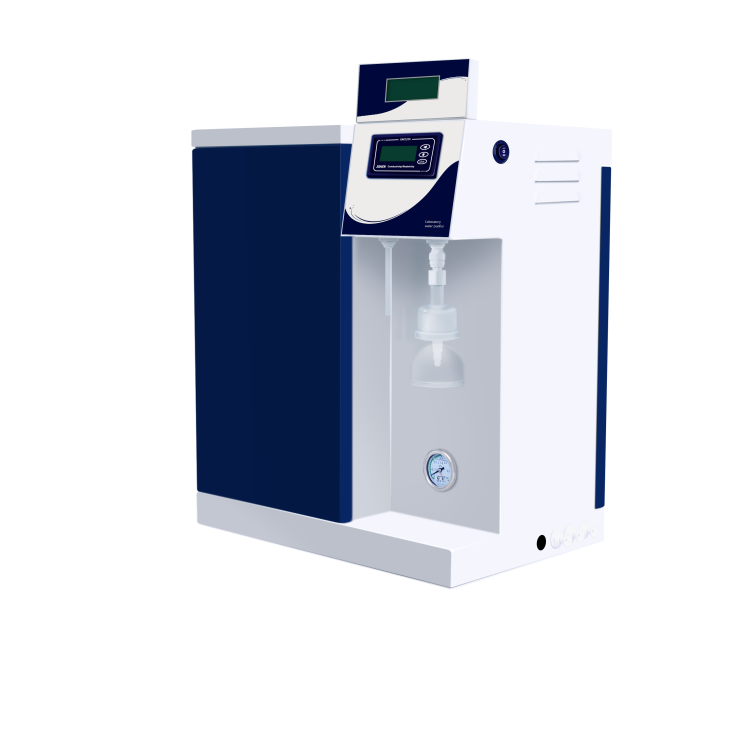
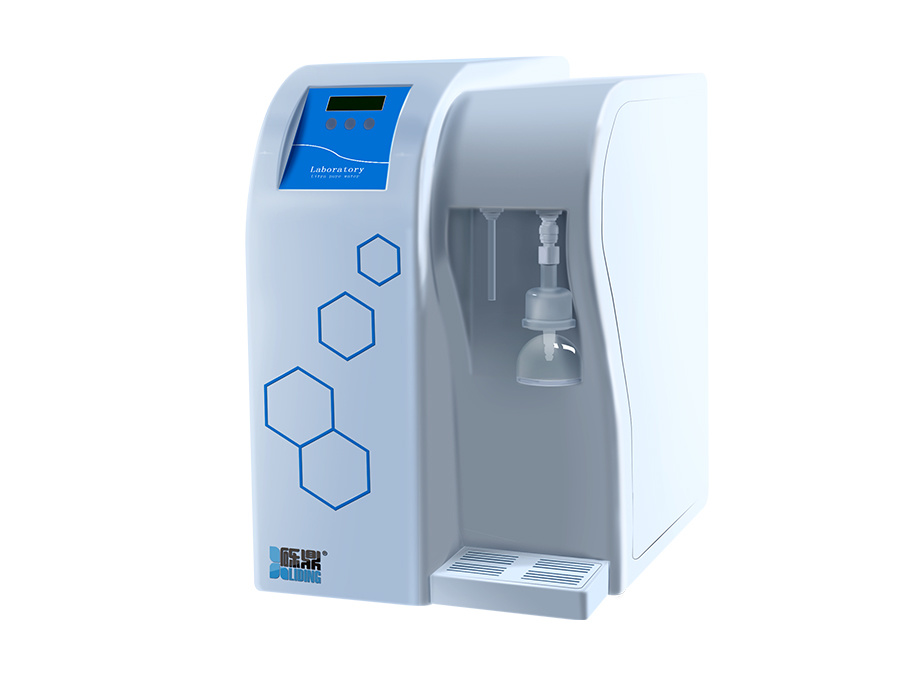
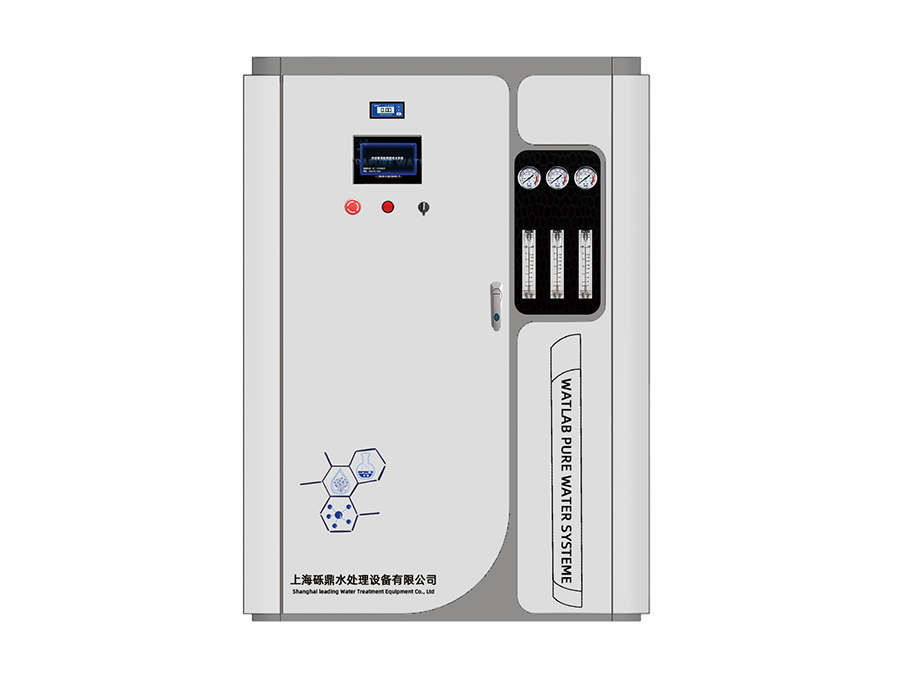
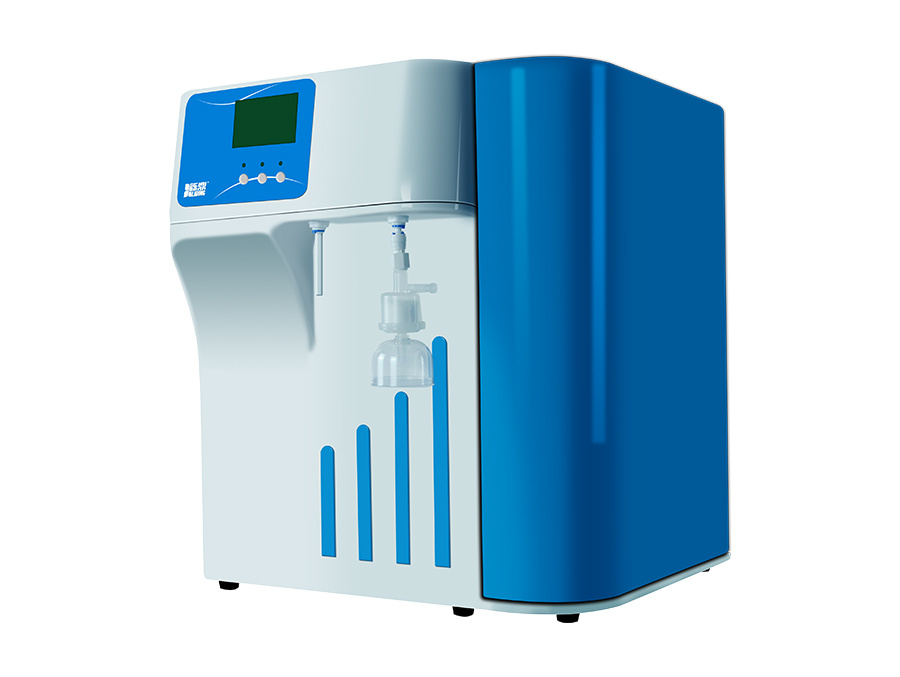
In the realm of industrial applications, the demand for high-quality water is paramount. This is where ultra purified water systems come into play, providing a solution to achieve the purity levels necessary for various processes. Ultra purification refers to a sophisticated treatment process designed to remove virtually all contaminants, including dissolved solids, organic molecules, and microorganisms. This process is essential for industries such as pharmaceuticals, electronics, and food production, where water quality directly impacts product quality and safety.
The ultra purified water system typically encompasses several treatment stages, including reverse osmosis, deionization, and UV disinfection. Reverse osmosis serves as the first line of defense, effectively filtering out larger particles and dissolved salts. The water then undergoes deionization, which removes ionic impurities, ensuring that the water is free from charged particles. Finally, UV disinfection employs ultraviolet light to eradicate any remaining microorganisms, resulting in water that meets or exceeds industry standards for purity.
One of the key benefits of utilizing an ultra purified water system is its ability to produce water that is not only clean but also consistent. In industries like pharmaceuticals, even minor impurities can lead to significant deviations in product efficacy. Thus, having a reliable supply of ultra purified water is critical for maintaining quality control and ensuring compliance with regulatory standards.
Furthermore, ultra purified water systems can be tailored to meet specific operational needs. For instance, depending on the application, businesses can adjust the system's configuration to handle varying flow rates and water quality inputs. This flexibility makes it easier for industries to integrate ultra purified water systems into their existing infrastructure without significant overhauls.
Maintenance is another crucial aspect to consider when managing an ultra purified water system. Regular monitoring and servicing of the components, including filters and membranes, are essential to ensure optimal performance. Businesses should establish a routine maintenance schedule and keep an eye on system indicators that signal when replacements or repairs are required.
In summary, ultra purified water systems play a vital role in various industrial sectors by ensuring high purity levels essential for operational efficiency and product integrity. By understanding how these systems work and their benefits, businesses can make informed decisions to enhance their water treatment processes, ultimately leading to improved quality and compliance in their respective industries.
The ultra purified water system typically encompasses several treatment stages, including reverse osmosis, deionization, and UV disinfection. Reverse osmosis serves as the first line of defense, effectively filtering out larger particles and dissolved salts. The water then undergoes deionization, which removes ionic impurities, ensuring that the water is free from charged particles. Finally, UV disinfection employs ultraviolet light to eradicate any remaining microorganisms, resulting in water that meets or exceeds industry standards for purity.
One of the key benefits of utilizing an ultra purified water system is its ability to produce water that is not only clean but also consistent. In industries like pharmaceuticals, even minor impurities can lead to significant deviations in product efficacy. Thus, having a reliable supply of ultra purified water is critical for maintaining quality control and ensuring compliance with regulatory standards.
Furthermore, ultra purified water systems can be tailored to meet specific operational needs. For instance, depending on the application, businesses can adjust the system's configuration to handle varying flow rates and water quality inputs. This flexibility makes it easier for industries to integrate ultra purified water systems into their existing infrastructure without significant overhauls.
Maintenance is another crucial aspect to consider when managing an ultra purified water system. Regular monitoring and servicing of the components, including filters and membranes, are essential to ensure optimal performance. Businesses should establish a routine maintenance schedule and keep an eye on system indicators that signal when replacements or repairs are required.
In summary, ultra purified water systems play a vital role in various industrial sectors by ensuring high purity levels essential for operational efficiency and product integrity. By understanding how these systems work and their benefits, businesses can make informed decisions to enhance their water treatment processes, ultimately leading to improved quality and compliance in their respective industries.
RELATED NEWS

Tel:
E-mail:
Ask For A Quick Quote
We will contact you within one working day. Please pay attention to your email