



Essential Insights into Laboratory Ultrapure Water Systems
Time:
Jul 14,2026
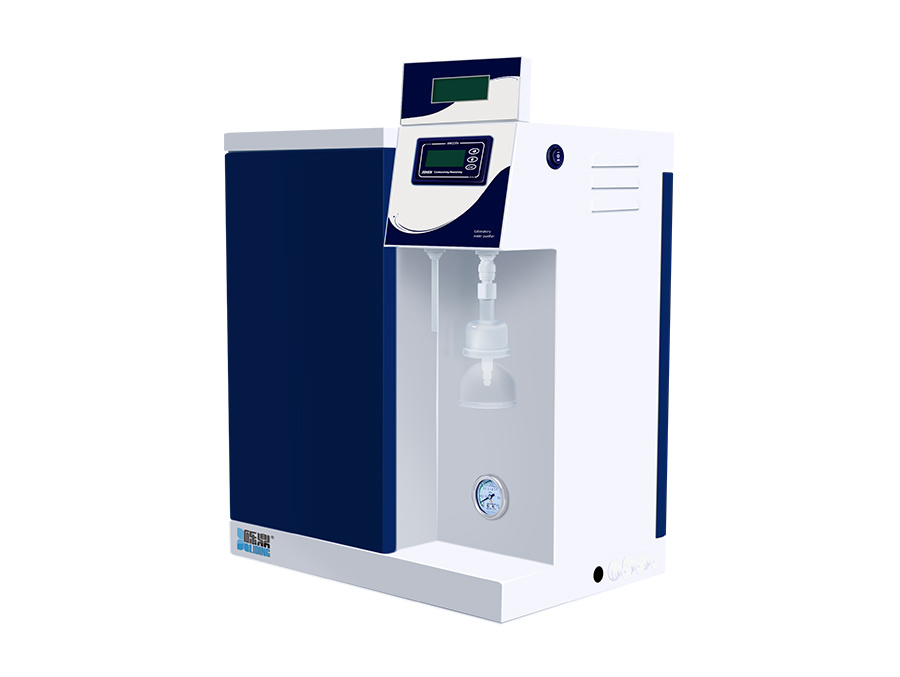
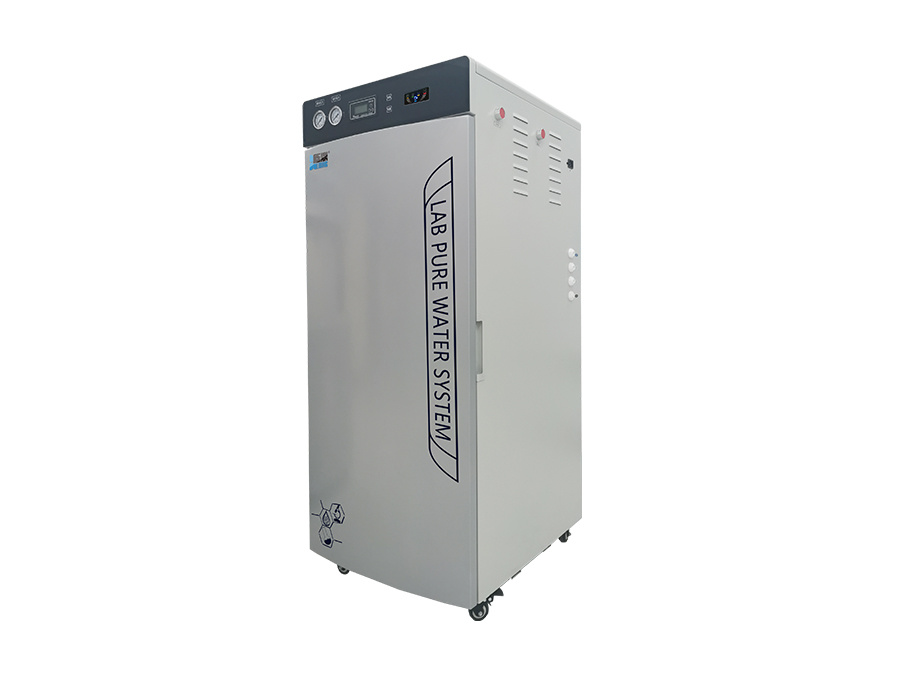
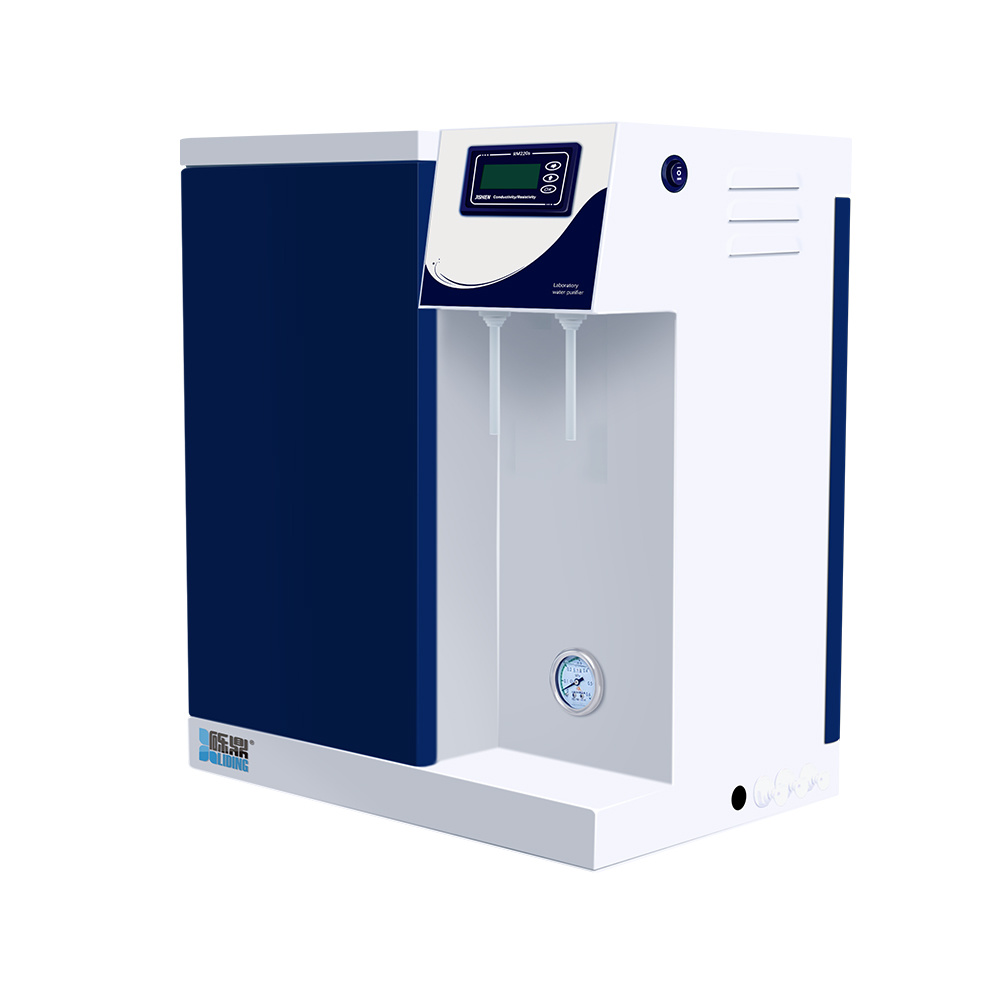
In industries where precision and purity are paramount, the laboratory ultrapure water system is an essential component. These systems are designed to produce water of extreme purity, often used in applications such as pharmaceuticals, biotechnology, electronics manufacturing, and analytical laboratories. The ultrapure water produced by these systems meets stringent standards for contaminants, including ions, microbes, and organic substances.
The process of obtaining ultrapure water typically involves multiple stages. First, feed water undergoes pre-treatment to remove larger particles and contaminants. This is often followed by reverse osmosis (RO), which effectively reduces dissolved solids. However, to achieve the high level of purity required for laboratory applications, additional purification steps such as deionization (DI) and ultrafiltration (UF) are implemented. The combination of these processes ensures that the final product meets the specific purity requirements for various applications.
A key advantage of using a laboratory ultrapure water system is the reduction of variability in experimental results. Impurities in water can significantly affect reactions, measurements, and overall outcomes in scientific research. By utilizing ultrapure water, laboratories can ensure that their processes are consistent and reliable, ultimately leading to better quality control and more reproducible results.
Furthermore, modern ultrapure water systems are designed with user-friendly features and smart technology. Many systems include real-time monitoring of water quality parameters, such as resistivity and total organic carbon (TOC) levels. This allows users to maintain optimal performance and promptly address any issues that may arise. Some systems also boast advanced filtration technologies to enhance the longevity of cartridges and reduce maintenance frequency.
Regular maintenance and proper handling are crucial to ensure the longevity and reliability of ultrapure water systems. Routine checks on the system's filtration elements, along with periodic sanitization, are necessary to prevent microbial growth and maintain water quality. Additionally, ensuring that the system is correctly installed and configured according to the manufacturer's specifications is vital for optimal functioning.
In summary, a laboratory ultrapure water system is indispensable in producing high-quality water for various industrial applications. Understanding the purification stages, advantages, and maintenance requirements of these systems can significantly enhance the efficiency and reliability of laboratory operations. Whether in pharmaceuticals, electronics, or research, investing in a reliable ultrapure water system is a key step toward achieving excellence in laboratory results.
The process of obtaining ultrapure water typically involves multiple stages. First, feed water undergoes pre-treatment to remove larger particles and contaminants. This is often followed by reverse osmosis (RO), which effectively reduces dissolved solids. However, to achieve the high level of purity required for laboratory applications, additional purification steps such as deionization (DI) and ultrafiltration (UF) are implemented. The combination of these processes ensures that the final product meets the specific purity requirements for various applications.
A key advantage of using a laboratory ultrapure water system is the reduction of variability in experimental results. Impurities in water can significantly affect reactions, measurements, and overall outcomes in scientific research. By utilizing ultrapure water, laboratories can ensure that their processes are consistent and reliable, ultimately leading to better quality control and more reproducible results.
Furthermore, modern ultrapure water systems are designed with user-friendly features and smart technology. Many systems include real-time monitoring of water quality parameters, such as resistivity and total organic carbon (TOC) levels. This allows users to maintain optimal performance and promptly address any issues that may arise. Some systems also boast advanced filtration technologies to enhance the longevity of cartridges and reduce maintenance frequency.
Regular maintenance and proper handling are crucial to ensure the longevity and reliability of ultrapure water systems. Routine checks on the system's filtration elements, along with periodic sanitization, are necessary to prevent microbial growth and maintain water quality. Additionally, ensuring that the system is correctly installed and configured according to the manufacturer's specifications is vital for optimal functioning.
In summary, a laboratory ultrapure water system is indispensable in producing high-quality water for various industrial applications. Understanding the purification stages, advantages, and maintenance requirements of these systems can significantly enhance the efficiency and reliability of laboratory operations. Whether in pharmaceuticals, electronics, or research, investing in a reliable ultrapure water system is a key step toward achieving excellence in laboratory results.
RELATED NEWS


Tel:
E-mail:
Ask For A Quick Quote
We will contact you within one working day. Please pay attention to your email