



Why Choose an Ultra Pure Water Purification System for Your Industry?
Time:
Jun 02,2026
Why Choose an Ultra Pure Water Purification System for Your Industry?
Understanding Ultra Pure Water Purification Systems
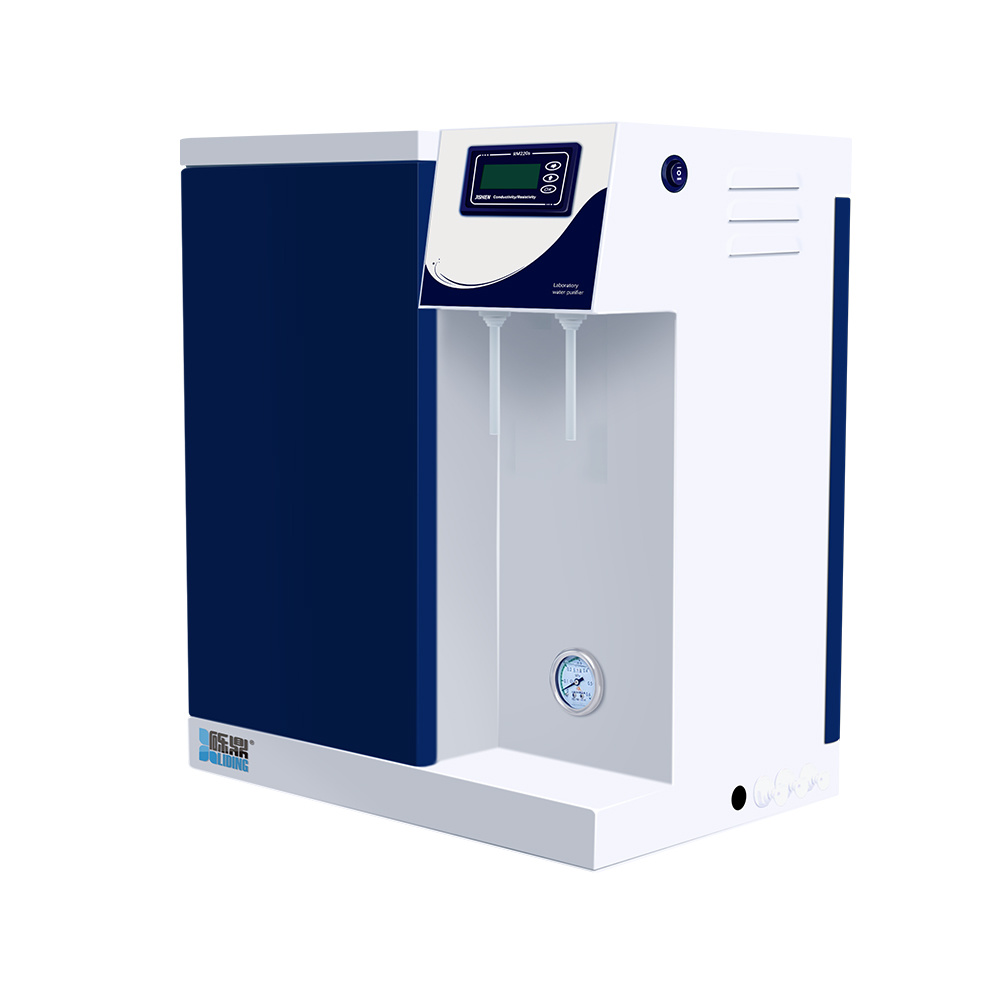
Ultra pure water purification systems are specialized setups designed to remove impurities, contaminants, and particles from water, achieving a level of purity suitable for critical industrial applications. Industries like electronics manufacturing, pharmaceuticals, and power generation require ultra pure water to ensure product quality and operational efficiency. The process typically involves advanced filtration methods, ion exchange, reverse osmosis, and other sophisticated technologies to achieve the desired level of purity.
Benefits of Ultra Pure Water Systems
1. Enhanced Product Quality
Using ultra pure water significantly improves the quality of products across various industries. For instance, in semiconductor manufacturing, even the tiniest impurity can lead to defects, resulting in substantial financial losses. Similarly, the pharmaceutical industry relies on ultra pure water to meet stringent regulatory standards and produce high-quality medications. By choosing a robust purification system, businesses can ensure their products meet the highest standards of quality and safety.
2. Compliance with Industry Regulations
Many industries are subject to strict regulations regarding water quality. For instance, the FDA and EPA have established guidelines for water used in pharmaceuticals and food processing. An ultra pure water purification system can help companies comply with these regulations, avoiding potential fines and ensuring product safety. Implementing these systems demonstrates a commitment to quality and compliance, which can enhance a company's reputation in the market.
3. Cost-Effectiveness in the Long Run
Although the initial investment in an ultra pure water purification system may seem substantial, the long-term savings can be significant. By preventing product defects, reducing waste, and minimizing equipment damage caused by impurities, businesses can save money on production costs and enhance profitability. Additionally, a reliable water purification system can decrease maintenance costs associated with water quality issues.
Key Components of Ultra Pure Water Purification Systems
1. Pre-Treatment Systems
Before water undergoes ultra purification, it often requires pre-treatment to remove larger particles and contaminants. This step may involve multimedia filters, activated carbon filters, and other technologies designed to improve the effectiveness of subsequent purification stages.
2. Reverse Osmosis (RO)
Reverse osmosis is a critical component of ultra pure water systems. This technology uses a semi-permeable membrane to remove dissolved solids, bacteria, and other contaminants, resulting in high-quality water. The efficiency of RO systems makes them a popular choice for industries requiring ultra pure water.
3. Deionization (DI)
Deionization is another essential process in achieving ultra pure water. It removes ionized contaminants using ion exchange resins. The combination of deionization with reverse osmosis can provide water purity levels suitable for even the most demanding applications.
4. Ultraviolet (UV) Disinfection
To eliminate microorganisms, many ultra pure water systems incorporate UV disinfection. This process uses UV light to inactivate bacteria, viruses, and other pathogens, ensuring that the water is not only pure but also safe for use in sensitive applications.
Applications of Ultra Pure Water Purification Systems
1. Electronics Manufacturing
In the electronics industry, ultra pure water is essential for cleaning components and manufacturing processes. The presence of impurities can lead to defects in semiconductor devices, making ultra pure water vital for maintaining product integrity.
2. Pharmaceutical Production
Pharmaceutical companies require ultra pure water for various applications, including drug formulation, rinsing of equipment, and as an ingredient in injectable products. The purity of the water is crucial for patient safety and adherence to regulatory standards.
3. Power Generation
Power plants utilize ultra pure water for steam generation and cooling processes. Impurities in the water can lead to scaling and corrosion, affecting the efficiency and longevity of equipment. Using ultra pure water helps prevent these issues, ensuring optimal performance.
4. Food and Beverage Industry
In the food and beverage sector, ultra pure water is used for product formulation, cleaning, and as an ingredient. Maintaining high water quality is essential for food safety and meeting regulatory requirements.
Factors to Consider When Choosing an Ultra Pure Water System
1. Water Quality Requirements
Assessing the specific water quality requirements of your industry is crucial. Different applications may demand varying levels of purity, so it's essential to select a system that meets these needs effectively.
2. System Capacity
Evaluating the capacity of the purification system is vital for ensuring that it can meet your production demands. Factors like peak usage times and water consumption rates should be considered when selecting a system.
3. Maintenance and Support
Choosing a supplier that offers comprehensive maintenance and support services is essential for ensuring the longevity and reliability of your purification system. Look for suppliers with a proven track record of customer service and technical support.
The Future of Ultra Pure Water Purification Technologies
Innovations in purification technologies continue to evolve, enhancing the efficiency and effectiveness of ultra pure water systems. Emerging technologies, such as advanced membrane filtration and nanotechnology, promise to further improve water purification processes, making them more sustainable and cost-effective. As industries increasingly prioritize sustainability, the development of eco-friendly systems will likely become a trend, reducing energy consumption and waste production.
FAQs About Ultra Pure Water Purification Systems
1. What is the difference between pure water and ultra pure water?
Pure water typically has undergone basic filtration processes to remove contaminants, while ultra pure water has been treated to eliminate nearly all impurities, including dissolved solids, organic compounds, and microorganisms.
2. How is ultra pure water produced?
Ultra pure water is produced through a combination of technologies, including reverse osmosis, deionization, and UV disinfection, to achieve the desired level of purity for specific industrial applications.
3. What industries require ultra pure water?
Industries such as electronics manufacturing, pharmaceuticals, power generation, and food and beverage processing require ultra pure water for various applications to ensure product quality and compliance with regulations.
4. How often should ultra pure water systems be maintained?
Regular maintenance is essential for ultra pure water systems. The frequency of maintenance will depend on factors such as water quality, usage levels, and the specific system design, but routine checks should be performed at least quarterly.
5. Can ultra pure water systems be customized for specific needs?
Yes, many manufacturers offer customization options for ultra pure water purification systems to meet the specific requirements of different industries and applications.
Conclusion
Investing in an ultra pure water purification system is a strategic decision for industries demanding high levels of water quality. These systems not only enhance product quality and ensure compliance with regulations but also promote long-term cost savings. By understanding the components, applications, and benefits of ultra pure water systems, businesses can make informed decisions that will significantly impact their operational success. In today's competitive landscape, choosing the right purification system is essential for maintaining product integrity, enhancing efficiency, and positioning your company as a leader in quality and compliance.
RELATED NEWS



Tel:
E-mail:
Ask For A Quick Quote
We will contact you within one working day. Please pay attention to your email