



Understanding Ultra Purified Water Systems: Essential Insights for Industrial Applications
Time:
May 12,2026
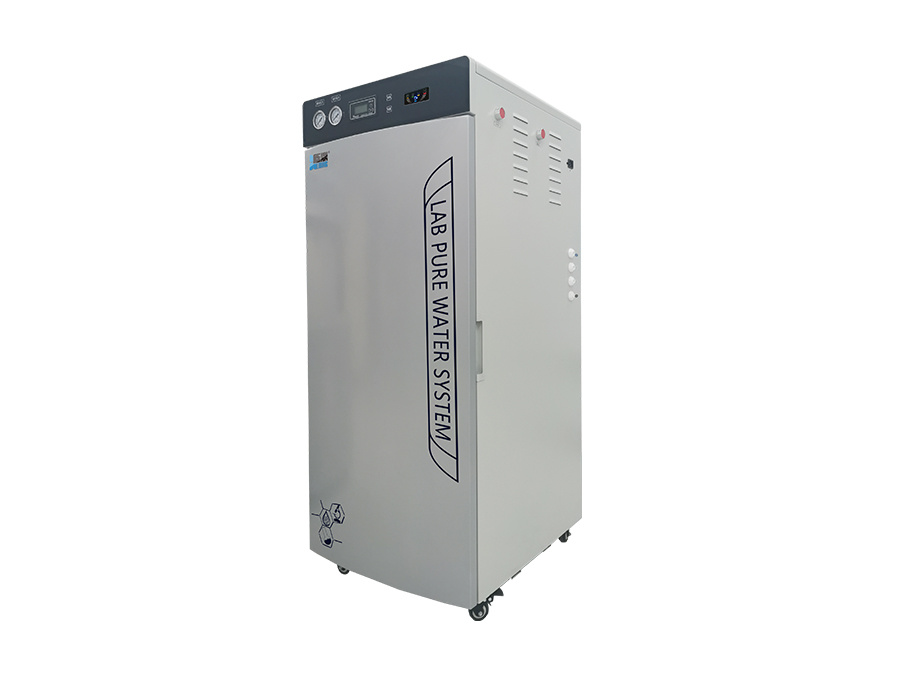
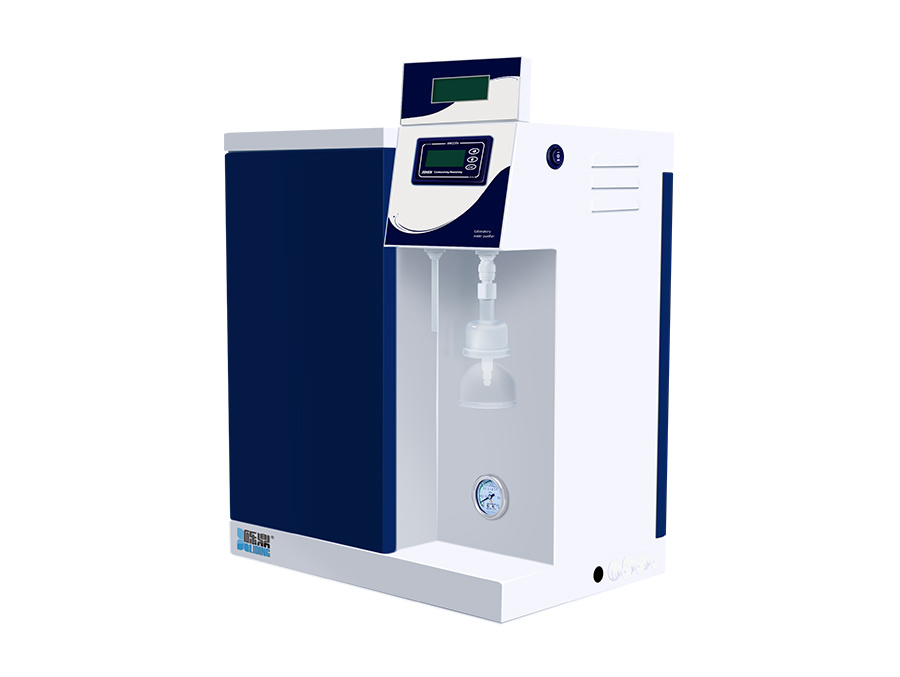
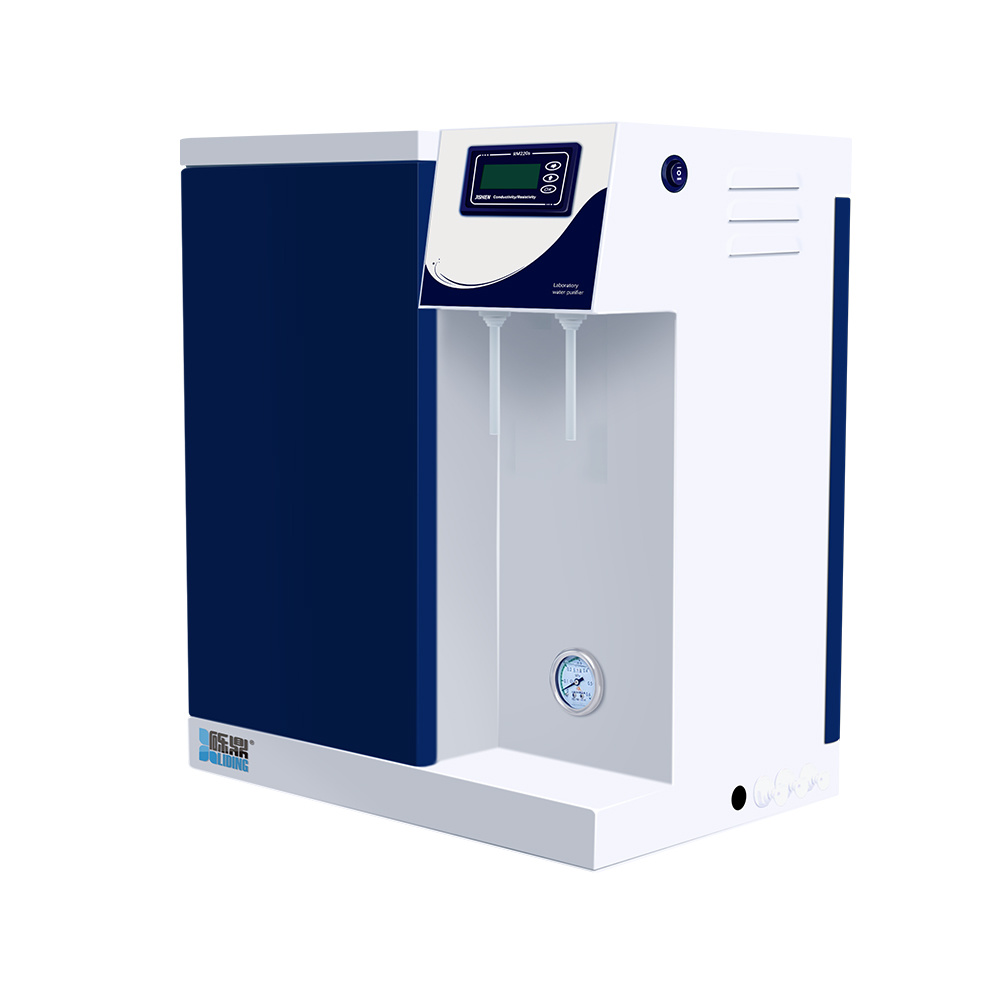
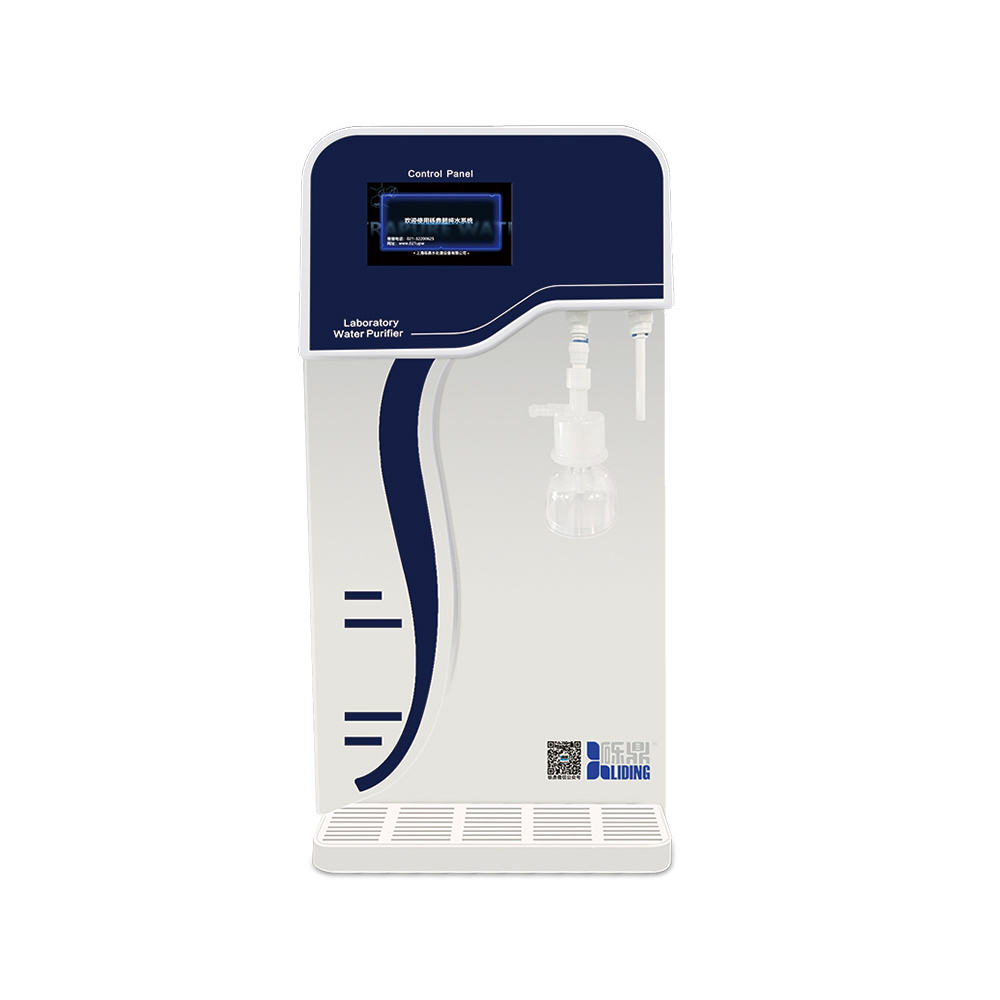
Ultra purified water systems play a vital role in various industrial applications, particularly in sectors where water quality is paramount. These systems are designed to produce water with exceptionally low levels of impurities, making them suitable for sensitive processes, such as in pharmaceuticals, electronics manufacturing, and food processing.
The process of achieving ultra-purified water typically involves multiple stages of purification. The initial step often includes pre-treatment, which removes larger particulates and contaminants through filtration methods. Following this, advanced technologies such as reverse osmosis (RO), deionization (DI), and ultraviolet (UV) disinfection are employed. Each method contributes to eliminating dissolved solids, microbes, and organic compounds, thereby ensuring that the water meets stringent quality standards.
One of the significant benefits of using an ultra purified water system is its ability to deliver consistent water quality. Industrial applications, especially in pharmaceuticals, demand that water meets specific purity criteria to comply with regulatory standards. The introduction of ultra purified water helps eliminate variations in product quality that can arise from using less refined water sources.
Moreover, ultra purified water systems are designed to be energy-efficient and environmentally friendly. Many modern systems incorporate energy recovery mechanisms that reduce overall energy consumption during the purification process. This not only contributes to lower operational costs but also aligns with sustainability initiatives many companies are adopting.
In addition to producing high-quality water, these systems require regular maintenance and monitoring to ensure optimal performance. Routine checks of filters, membranes, and disinfection units are essential to prevent any decline in water quality. Implementing a comprehensive maintenance schedule will help operators detect issues early and prolong the lifespan of the equipment.
When selecting an ultra purified water system, it is crucial to consider the specific requirements of your application. Factors such as the desired purity level, flow rate, and space availability should all influence your choice. Additionally, engaging with experts in industrial water treatment can provide valuable insights, ensuring that you select a system that aligns with your operational needs.
In conclusion, ultra purified water systems are indispensable for industries requiring high-quality water for their processes. By understanding the functionalities and benefits of these systems, businesses can enhance their operational efficiency, maintain regulatory compliance, and contribute to sustainability efforts. Investing in such technology not only guarantees superior water quality but also safeguards the integrity of industrial operations.
The process of achieving ultra-purified water typically involves multiple stages of purification. The initial step often includes pre-treatment, which removes larger particulates and contaminants through filtration methods. Following this, advanced technologies such as reverse osmosis (RO), deionization (DI), and ultraviolet (UV) disinfection are employed. Each method contributes to eliminating dissolved solids, microbes, and organic compounds, thereby ensuring that the water meets stringent quality standards.
One of the significant benefits of using an ultra purified water system is its ability to deliver consistent water quality. Industrial applications, especially in pharmaceuticals, demand that water meets specific purity criteria to comply with regulatory standards. The introduction of ultra purified water helps eliminate variations in product quality that can arise from using less refined water sources.
Moreover, ultra purified water systems are designed to be energy-efficient and environmentally friendly. Many modern systems incorporate energy recovery mechanisms that reduce overall energy consumption during the purification process. This not only contributes to lower operational costs but also aligns with sustainability initiatives many companies are adopting.
In addition to producing high-quality water, these systems require regular maintenance and monitoring to ensure optimal performance. Routine checks of filters, membranes, and disinfection units are essential to prevent any decline in water quality. Implementing a comprehensive maintenance schedule will help operators detect issues early and prolong the lifespan of the equipment.
When selecting an ultra purified water system, it is crucial to consider the specific requirements of your application. Factors such as the desired purity level, flow rate, and space availability should all influence your choice. Additionally, engaging with experts in industrial water treatment can provide valuable insights, ensuring that you select a system that aligns with your operational needs.
In conclusion, ultra purified water systems are indispensable for industries requiring high-quality water for their processes. By understanding the functionalities and benefits of these systems, businesses can enhance their operational efficiency, maintain regulatory compliance, and contribute to sustainability efforts. Investing in such technology not only guarantees superior water quality but also safeguards the integrity of industrial operations.
RELATED NEWS

Tel:
E-mail:
Ask For A Quick Quote
We will contact you within one working day. Please pay attention to your email