



Essential Insights on Ultra Pure Water Equipment for Industrial Applications
Time:
Mar 19,2026
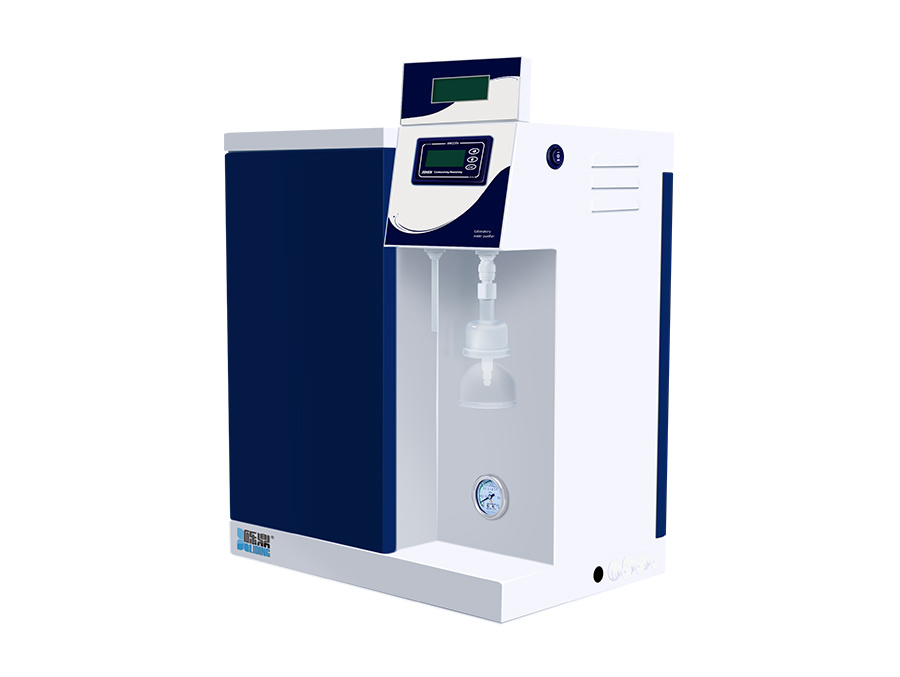
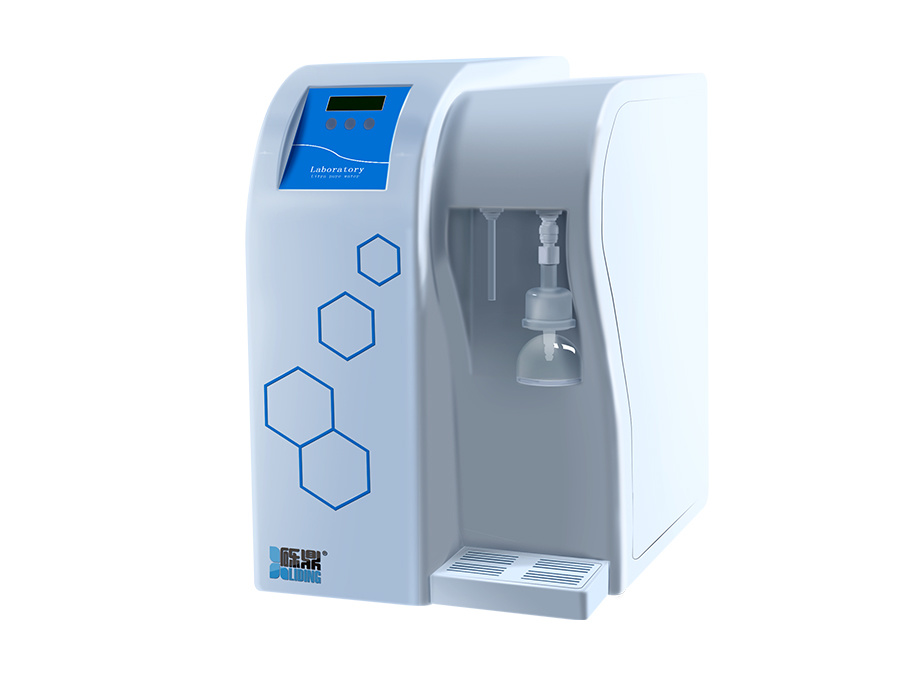
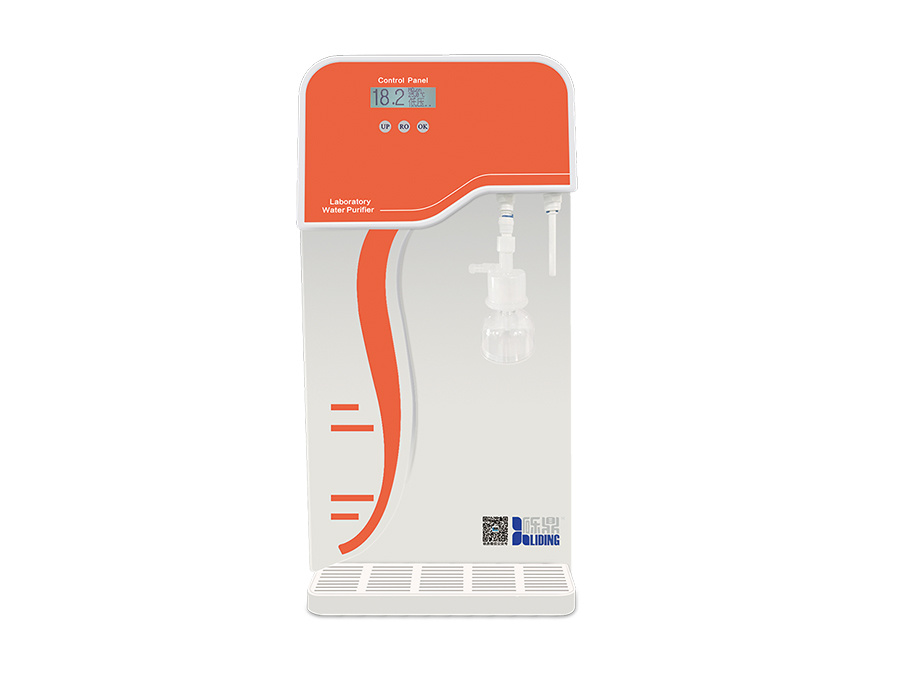
Ultra pure water equipment plays a vital role in numerous industrial applications where the quality of water is paramount. This equipment is designed to remove contaminants and impurities from water, resulting in high-purity water essential for processes in industries such as pharmaceuticals, electronics manufacturing, power generation, and more. Understanding the components and processes involved in ultra pure water systems can significantly enhance operational efficiency and product quality.
One of the primary technologies employed in ultra pure water equipment is reverse osmosis (RO). This process utilizes a semi-permeable membrane to filter out a wide range of contaminants, including dissolved salts, organic compounds, and microorganisms. The integration of RO systems ensures that the water produced meets stringent purity standards required for sensitive applications.
Another crucial component of ultra pure water equipment is deionization (DI). This process removes positively and negatively charged ions from the water, creating an ultra-pure product. DI systems are often used in conjunction with RO systems to achieve the desired water quality. It is essential for industries where even trace impurities can compromise product integrity or lead to equipment malfunction.
Moreover, ultra pure water equipment often includes additional purification stages such as ultraviolet (UV) disinfection and microfiltration. UV disinfection effectively eliminates bacteria and viruses without introducing chemical substances, making it ideal for applications in the pharmaceutical industry. Microfiltration, on the other hand, serves as a pre-treatment method that removes larger particles, enhancing the efficiency of subsequent purification stages.
When selecting ultra pure water equipment, it is crucial to consider the specific requirements of your application, including flow rate, desired purity level, and operational costs. Regular maintenance and monitoring are also essential to ensure optimal performance and longevity of the equipment. Implementing a robust maintenance schedule can prevent unexpected downtime and costly repairs, ultimately safeguarding your production processes.
In addition to operational considerations, it is also important to stay informed about advancements in technology related to ultra pure water equipment. Innovations in automation and real-time monitoring are enhancing the efficiency and reliability of water purification systems, allowing for better management of water quality and consumption.
In summary, ultra pure water equipment is indispensable for industries that demand high-quality water for their processes. By understanding the technologies and maintenance practices associated with these systems, professionals can ensure that their operations run smoothly and that water quality is never compromised. Investing in reliable ultra pure water equipment and staying abreast of industry advancements will lead to significant long-term benefits for any organization.
One of the primary technologies employed in ultra pure water equipment is reverse osmosis (RO). This process utilizes a semi-permeable membrane to filter out a wide range of contaminants, including dissolved salts, organic compounds, and microorganisms. The integration of RO systems ensures that the water produced meets stringent purity standards required for sensitive applications.
Another crucial component of ultra pure water equipment is deionization (DI). This process removes positively and negatively charged ions from the water, creating an ultra-pure product. DI systems are often used in conjunction with RO systems to achieve the desired water quality. It is essential for industries where even trace impurities can compromise product integrity or lead to equipment malfunction.
Moreover, ultra pure water equipment often includes additional purification stages such as ultraviolet (UV) disinfection and microfiltration. UV disinfection effectively eliminates bacteria and viruses without introducing chemical substances, making it ideal for applications in the pharmaceutical industry. Microfiltration, on the other hand, serves as a pre-treatment method that removes larger particles, enhancing the efficiency of subsequent purification stages.
When selecting ultra pure water equipment, it is crucial to consider the specific requirements of your application, including flow rate, desired purity level, and operational costs. Regular maintenance and monitoring are also essential to ensure optimal performance and longevity of the equipment. Implementing a robust maintenance schedule can prevent unexpected downtime and costly repairs, ultimately safeguarding your production processes.
In addition to operational considerations, it is also important to stay informed about advancements in technology related to ultra pure water equipment. Innovations in automation and real-time monitoring are enhancing the efficiency and reliability of water purification systems, allowing for better management of water quality and consumption.
In summary, ultra pure water equipment is indispensable for industries that demand high-quality water for their processes. By understanding the technologies and maintenance practices associated with these systems, professionals can ensure that their operations run smoothly and that water quality is never compromised. Investing in reliable ultra pure water equipment and staying abreast of industry advancements will lead to significant long-term benefits for any organization.
RELATED NEWS

Tel:
E-mail:
Ask For A Quick Quote
We will contact you within one working day. Please pay attention to your email