



Understanding Laboratory Ultrapure Water Systems: Essential Insights for Professionals
Time:
Mar 01,2026
Laboratory ultrapure water systems are essential in ensuring the highest quality of water for a variety of scientific applications. These systems are designed to remove impurities from water, delivering ultrapure water that meets stringent quality standards required for sensitive experiments and analyses across different fields, including pharmaceuticals, biotechnology, and electronics.
One of the key features of laboratory ultrapure water systems is their multi-stage purification process. Typically, these systems utilize a combination of reverse osmosis, deionization, and additional filtration methods, such as ultrafiltration and UV disinfection. Each stage is critical in achieving the desired purity level—typically less than 18.2 MΩ·cm resistivity—by effectively removing ions, organic compounds, bacteria, and particulates.
The applications of ultrapure water produced by these systems are diverse. In molecular biology labs, ultrapure water is crucial for preparing reagents, buffers, and solutions that require high purity to avoid contamination. Similarly, in the semiconductor industry, ultrapure water is essential for processes such as wafer fabrication, where any impurities can lead to defects and reduced yield. Hence, the reliability of a laboratory ultrapure water system directly impacts the quality of research and production outputs.
To maintain the performance of laboratory ultrapure water systems, regular maintenance and monitoring are vital. This involves routine checks of water quality, system integrity, and replacing filters and membranes as needed. Implementing a proactive maintenance schedule helps prevent downtime and ensures that the quality of ultrapure water remains consistent.
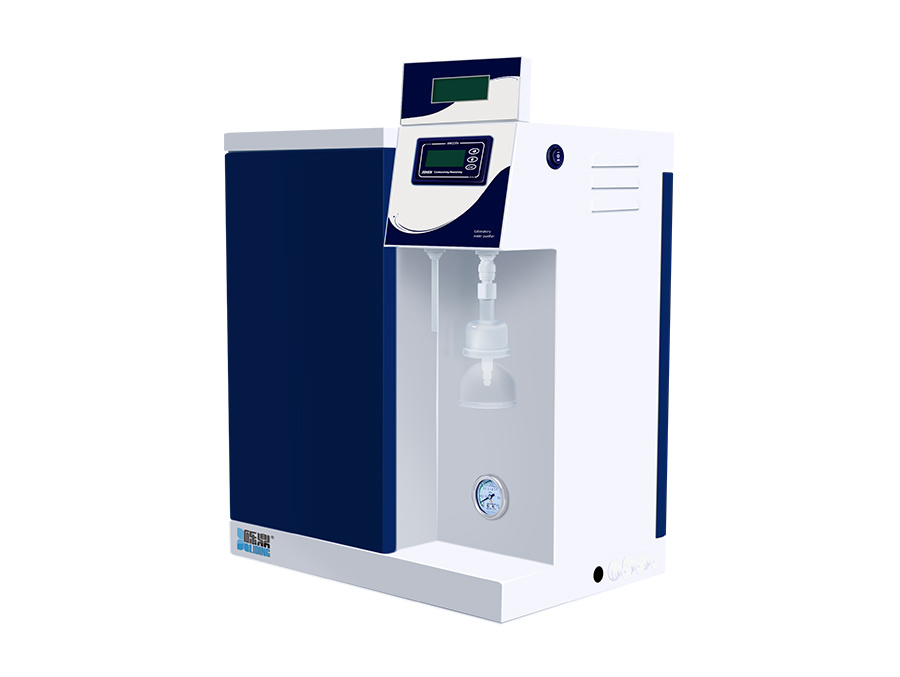
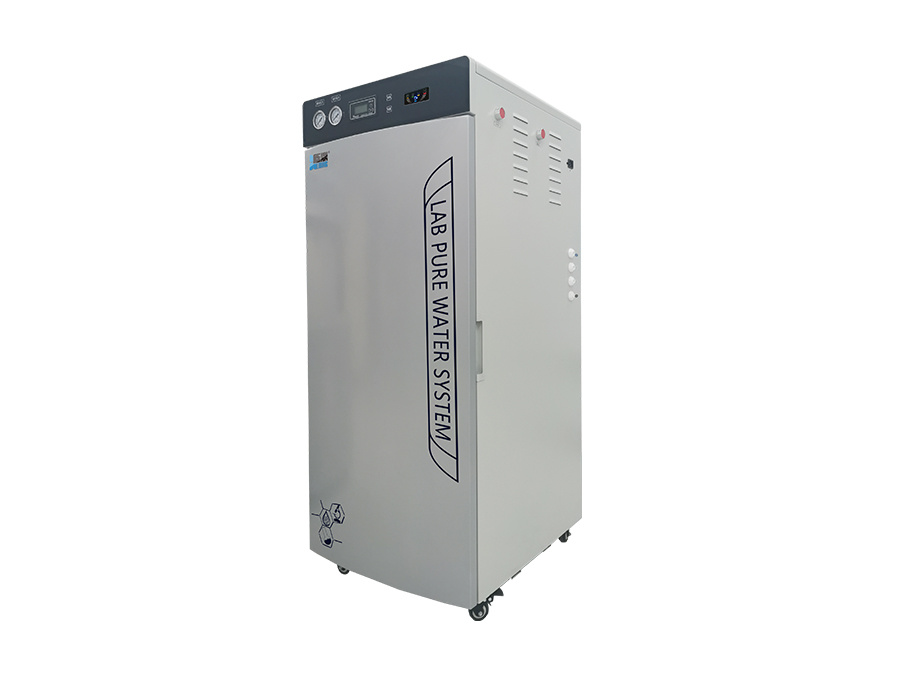
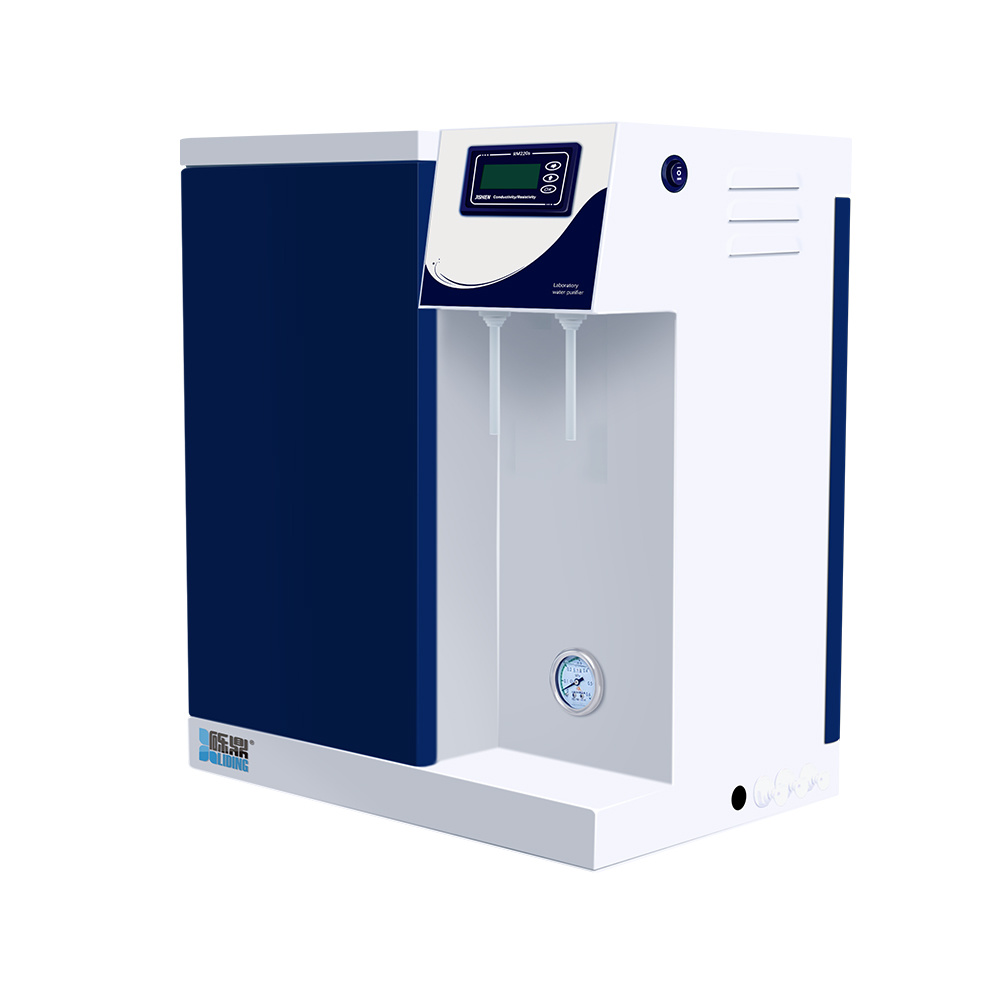
Professionals must also consider the scalability of ultrapure water systems based on their specific laboratory needs. Depending on the volume of water required, systems can range from compact units suitable for small labs to larger, more complex setups that can supply multiple points of use. Understanding the capacity and flow rate required for your specific applications is crucial when selecting the right system.
In conclusion, laboratory ultrapure water systems are indispensable tools in modern research and industrial operations. Their ability to provide high-quality ultrapure water enhances the reliability of experimental results and production processes. By understanding their functionality, applications, and maintenance requirements, professionals in the industrial equipment sector can make informed decisions that align with their operational needs and standards.
One of the key features of laboratory ultrapure water systems is their multi-stage purification process. Typically, these systems utilize a combination of reverse osmosis, deionization, and additional filtration methods, such as ultrafiltration and UV disinfection. Each stage is critical in achieving the desired purity level—typically less than 18.2 MΩ·cm resistivity—by effectively removing ions, organic compounds, bacteria, and particulates.
The applications of ultrapure water produced by these systems are diverse. In molecular biology labs, ultrapure water is crucial for preparing reagents, buffers, and solutions that require high purity to avoid contamination. Similarly, in the semiconductor industry, ultrapure water is essential for processes such as wafer fabrication, where any impurities can lead to defects and reduced yield. Hence, the reliability of a laboratory ultrapure water system directly impacts the quality of research and production outputs.
To maintain the performance of laboratory ultrapure water systems, regular maintenance and monitoring are vital. This involves routine checks of water quality, system integrity, and replacing filters and membranes as needed. Implementing a proactive maintenance schedule helps prevent downtime and ensures that the quality of ultrapure water remains consistent.
Professionals must also consider the scalability of ultrapure water systems based on their specific laboratory needs. Depending on the volume of water required, systems can range from compact units suitable for small labs to larger, more complex setups that can supply multiple points of use. Understanding the capacity and flow rate required for your specific applications is crucial when selecting the right system.
In conclusion, laboratory ultrapure water systems are indispensable tools in modern research and industrial operations. Their ability to provide high-quality ultrapure water enhances the reliability of experimental results and production processes. By understanding their functionality, applications, and maintenance requirements, professionals in the industrial equipment sector can make informed decisions that align with their operational needs and standards.
RELATED NEWS


Tel:
E-mail:
Ask For A Quick Quote
We will contact you within one working day. Please pay attention to your email