



Understanding Ultra Pure Water Systems: Essential Insights for Industrial Applications
Time:
Apr 12,2026
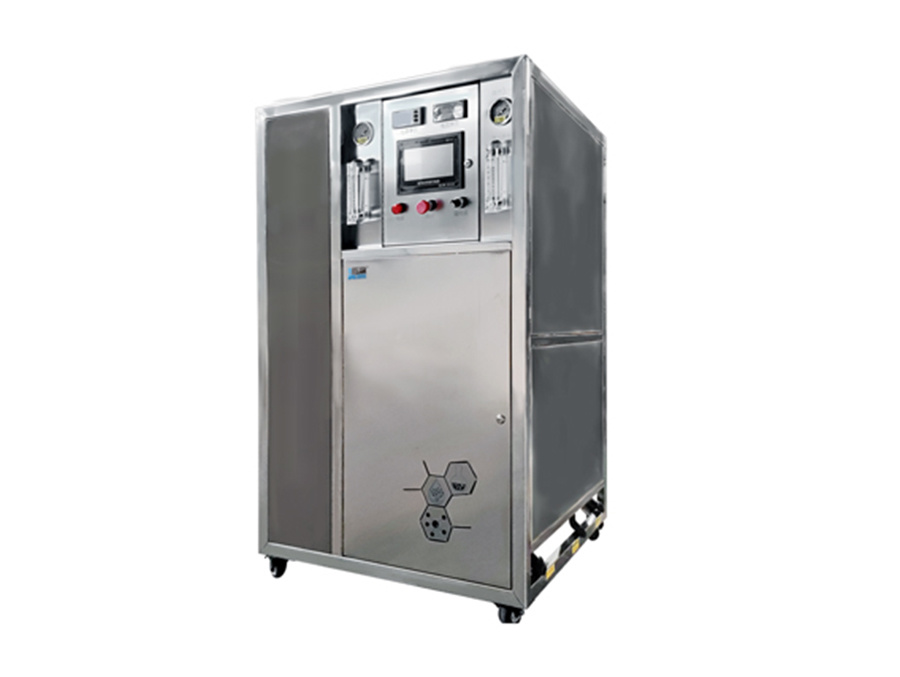
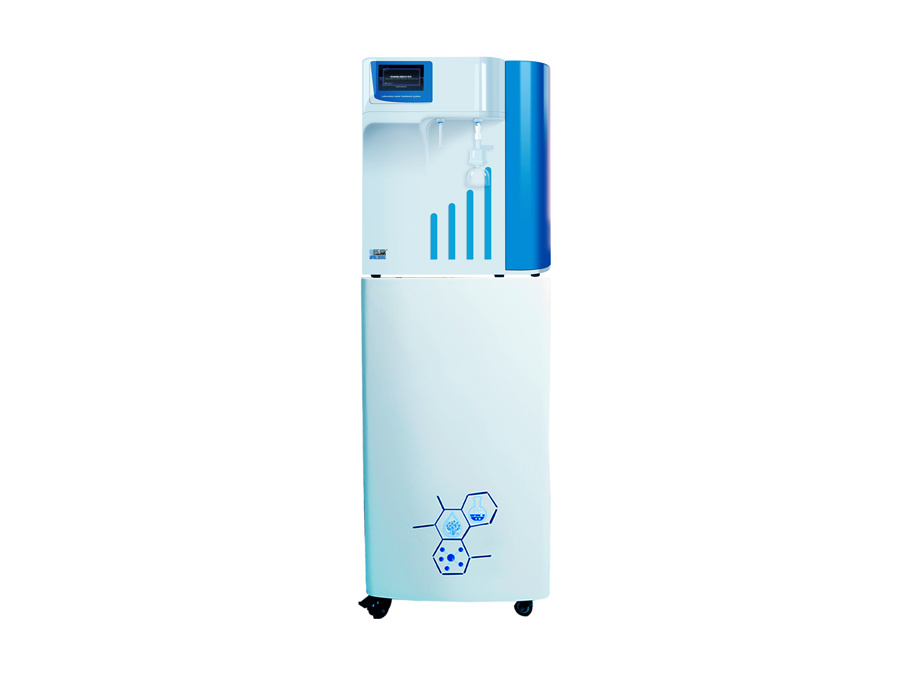
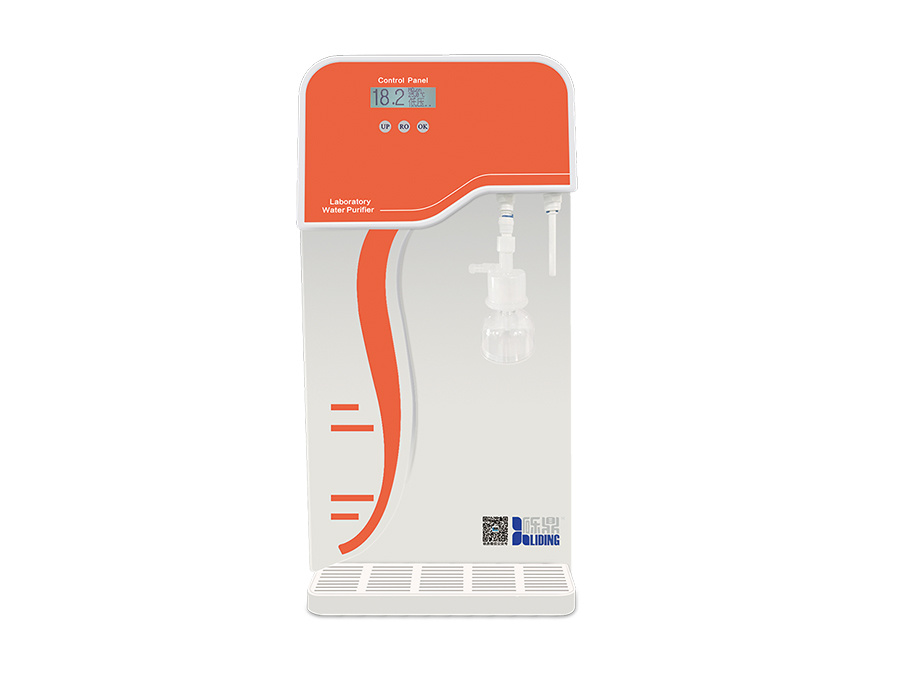
Ultra pure water systems are designed to produce water of exceptional purity, typically achieving resistivity levels greater than 18.2 megohm-cm. This level of purity is essential in industries such as pharmaceuticals, electronics manufacturing, and power generation, where even trace contaminants can compromise product quality and operational efficiency. The processes involved in attaining ultra pure water typically include reverse osmosis, deionization, and advanced filtration techniques.
One of the key components in an ultra pure water system is reverse osmosis (RO), which effectively removes a wide range of impurities from the water. The RO process works by pushing water through a semi-permeable membrane, allowing only water molecules to pass while rejecting larger molecules, ions, and contaminants. This step is crucial in minimizing the total dissolved solids (TDS) in the water, setting the foundation for further purification.
Following RO, deionization (DI) is often employed to remove any remaining ionic contaminants. DI systems use ion exchange resins to eliminate cations and anions from the water. This stage is critical for achieving the ultra pure specifications required in sensitive applications. Combined, RO and DI processes ensure that the final water product meets stringent purity standards.
Beyond the technical aspects, the benefits of utilizing ultra pure water systems in industrial settings cannot be overstated. High-purity water enhances product quality by reducing the risk of contamination in manufacturing processes. Additionally, using ultra pure water can lead to improved equipment longevity and reduced maintenance costs, as it minimizes scale buildup and corrosion in pipes and machinery.
Furthermore, ultra pure water plays an integral role in supporting sustainability initiatives. By optimizing water use and reducing waste, industries can achieve more environmentally friendly practices. Implementing an ultra pure water system not only addresses immediate water quality needs but also aligns with long-term operational goals aimed at reducing environmental impact.
In conclusion, understanding the intricacies of ultra pure water systems is essential for industrial professionals. By leveraging these advanced water treatment technologies, industries can ensure the production of high-quality products while also enhancing operational efficiency and sustainability. Whether you’re involved in pharmaceuticals, semiconductor manufacturing, or any other sector that demands high purity water, familiarizing yourself with these systems will equip you with the knowledge to make informed decisions in your water treatment strategies.
One of the key components in an ultra pure water system is reverse osmosis (RO), which effectively removes a wide range of impurities from the water. The RO process works by pushing water through a semi-permeable membrane, allowing only water molecules to pass while rejecting larger molecules, ions, and contaminants. This step is crucial in minimizing the total dissolved solids (TDS) in the water, setting the foundation for further purification.
Following RO, deionization (DI) is often employed to remove any remaining ionic contaminants. DI systems use ion exchange resins to eliminate cations and anions from the water. This stage is critical for achieving the ultra pure specifications required in sensitive applications. Combined, RO and DI processes ensure that the final water product meets stringent purity standards.
Beyond the technical aspects, the benefits of utilizing ultra pure water systems in industrial settings cannot be overstated. High-purity water enhances product quality by reducing the risk of contamination in manufacturing processes. Additionally, using ultra pure water can lead to improved equipment longevity and reduced maintenance costs, as it minimizes scale buildup and corrosion in pipes and machinery.
Furthermore, ultra pure water plays an integral role in supporting sustainability initiatives. By optimizing water use and reducing waste, industries can achieve more environmentally friendly practices. Implementing an ultra pure water system not only addresses immediate water quality needs but also aligns with long-term operational goals aimed at reducing environmental impact.
In conclusion, understanding the intricacies of ultra pure water systems is essential for industrial professionals. By leveraging these advanced water treatment technologies, industries can ensure the production of high-quality products while also enhancing operational efficiency and sustainability. Whether you’re involved in pharmaceuticals, semiconductor manufacturing, or any other sector that demands high purity water, familiarizing yourself with these systems will equip you with the knowledge to make informed decisions in your water treatment strategies.
RELATED NEWS


Tel:
E-mail:
Ask For A Quick Quote
We will contact you within one working day. Please pay attention to your email