



Understanding Ultrapure Water Systems for Laboratory Applications
Time:
Jan 18,2026
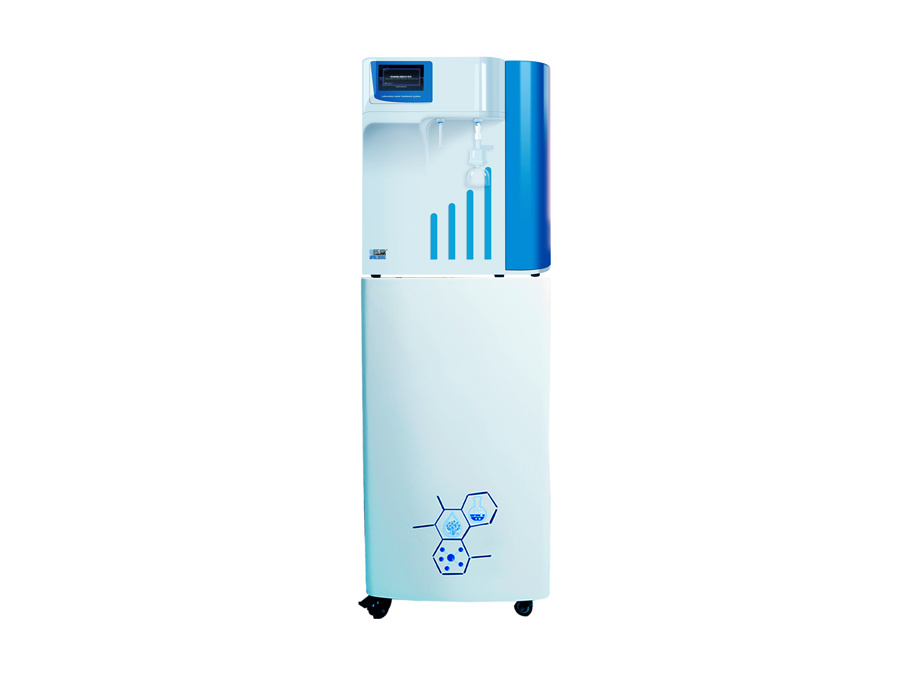
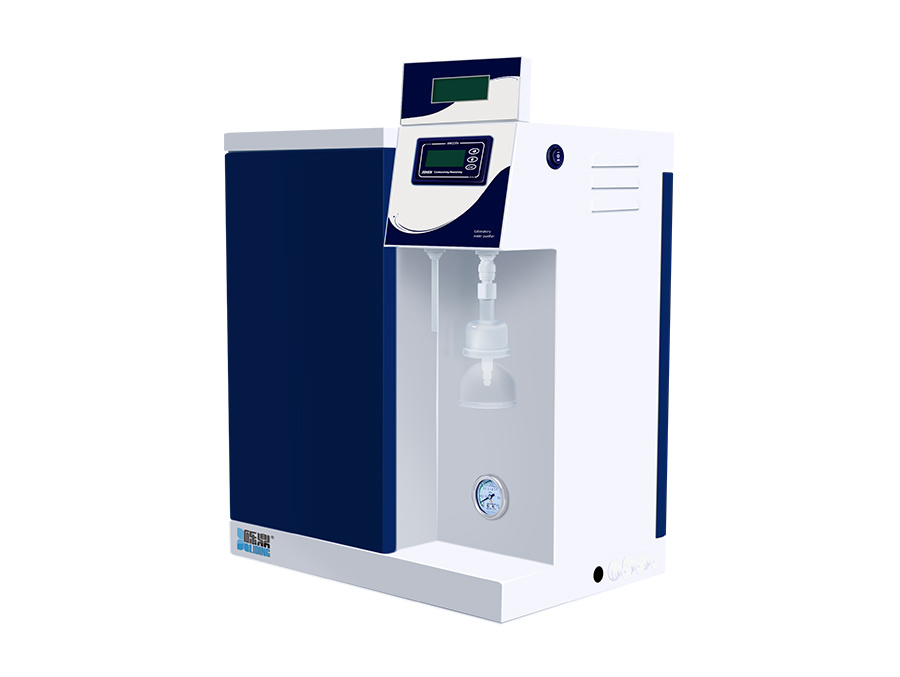
Ultrapure water systems are essential in laboratory environments where high-purity water is crucial for experiments, analyses, and various applications. Such systems are designed to remove contaminants that could interfere with sensitive measurements or reactions. This article delves into the components, benefits, and considerations when selecting an ultrapure water system for your laboratory.
The primary purpose of an ultrapure water system is to produce water with minimal levels of ions, organic compounds, microorganisms, and particulate matter. This high level of purity is vital for various laboratory processes, including analytical chemistry, molecular biology, and pharmaceutical research. To achieve this, ultrapure water systems typically utilize a combination of processes such as reverse osmosis, deionization, and filtration.
Reverse osmosis (RO) is often the first step in the purification process. It employs a semi-permeable membrane to remove a significant portion of dissolved solids and larger particles. After RO, deionization is applied, using ion-exchange resins to remove remaining ionic contaminants. Finally, filtration systems, such as ultrafiltration or microfiltration, ensure that any remaining microorganisms or particulates are eliminated, resulting in water of the highest purity.
One of the key benefits of using ultrapure water systems in laboratories is the reduction of background noise in experiments. Contaminants in water can lead to inaccurate results or irreproducible data. By utilizing ultrapure water, researchers can ensure that their findings are valid and reliable. Additionally, ultrapure water is essential in applications such as cell culture, where the presence of impurities can inhibit cell growth or alter biological activities.
When selecting an ultrapure water system, it is important to consider factors such as the required water quality, volume, and flow rate. Understanding the specific needs of your laboratory will help in choosing the right system. Additionally, maintenance and monitoring are critical to ensure the system operates efficiently over time. Regularly checking the performance of the purification stages and replacing filters or resins as needed will help maintain the quality of the ultrapure water produced.
In conclusion, ultrapure water systems play a pivotal role in laboratory settings, providing researchers with the quality of water necessary for precise and reliable results. By understanding the functioning of these systems and the importance of maintaining their performance, laboratories can enhance their research capabilities and uphold the integrity of their findings. Whether you are engaged in analytical testing, product formulation, or scientific research, investing in a reliable ultrapure water system is crucial for success in your laboratory endeavors.
The primary purpose of an ultrapure water system is to produce water with minimal levels of ions, organic compounds, microorganisms, and particulate matter. This high level of purity is vital for various laboratory processes, including analytical chemistry, molecular biology, and pharmaceutical research. To achieve this, ultrapure water systems typically utilize a combination of processes such as reverse osmosis, deionization, and filtration.
Reverse osmosis (RO) is often the first step in the purification process. It employs a semi-permeable membrane to remove a significant portion of dissolved solids and larger particles. After RO, deionization is applied, using ion-exchange resins to remove remaining ionic contaminants. Finally, filtration systems, such as ultrafiltration or microfiltration, ensure that any remaining microorganisms or particulates are eliminated, resulting in water of the highest purity.
One of the key benefits of using ultrapure water systems in laboratories is the reduction of background noise in experiments. Contaminants in water can lead to inaccurate results or irreproducible data. By utilizing ultrapure water, researchers can ensure that their findings are valid and reliable. Additionally, ultrapure water is essential in applications such as cell culture, where the presence of impurities can inhibit cell growth or alter biological activities.
When selecting an ultrapure water system, it is important to consider factors such as the required water quality, volume, and flow rate. Understanding the specific needs of your laboratory will help in choosing the right system. Additionally, maintenance and monitoring are critical to ensure the system operates efficiently over time. Regularly checking the performance of the purification stages and replacing filters or resins as needed will help maintain the quality of the ultrapure water produced.
In conclusion, ultrapure water systems play a pivotal role in laboratory settings, providing researchers with the quality of water necessary for precise and reliable results. By understanding the functioning of these systems and the importance of maintaining their performance, laboratories can enhance their research capabilities and uphold the integrity of their findings. Whether you are engaged in analytical testing, product formulation, or scientific research, investing in a reliable ultrapure water system is crucial for success in your laboratory endeavors.
RELATED NEWS



Tel:
E-mail:
Ask For A Quick Quote
We will contact you within one working day. Please pay attention to your email