



Understanding Ultrapure Water Systems for Laboratory Use
Time:
Nov 13,2025
Ultrapure water systems are designed to produce water of exceptional purity, which is crucial for various analytical and experimental techniques employed in laboratories. The term "ultrapure" generally refers to water that has been processed to remove almost all impurities, including dissolved salts, organic molecules, and microbial contaminants. These systems are particularly vital in applications such as semiconductor manufacturing, pharmaceuticals, and biotechnology, where even the slightest impurity can lead to significant issues.
One of the primary technologies employed in ultrapure water systems is reverse osmosis (RO). RO effectively removes a wide range of contaminants by forcing water through a semipermeable membrane. However, to achieve the highest level of purity, additional treatment processes are often utilized, including deionization (DI) and ultraviolet (UV) disinfection. Deionization uses ion exchange resins to eliminate ionic impurities, while UV treatment effectively inactivates bacteria and viruses, ensuring that the water is microbiologically safe.
In selecting an ultrapure water system for a laboratory, several factors should be considered. First, assess the specific water quality requirements of your applications. Different experiments or processes may necessitate varying degrees of water purity. Understanding the total organic carbon (TOC) limits and conductivity specifications is essential for determining the compatibility of the system with your laboratory's needs.
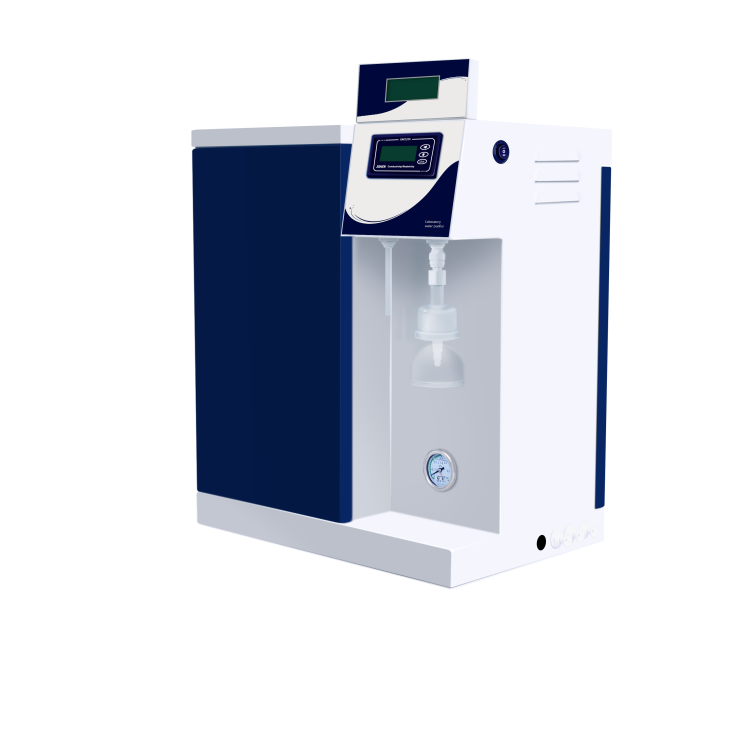
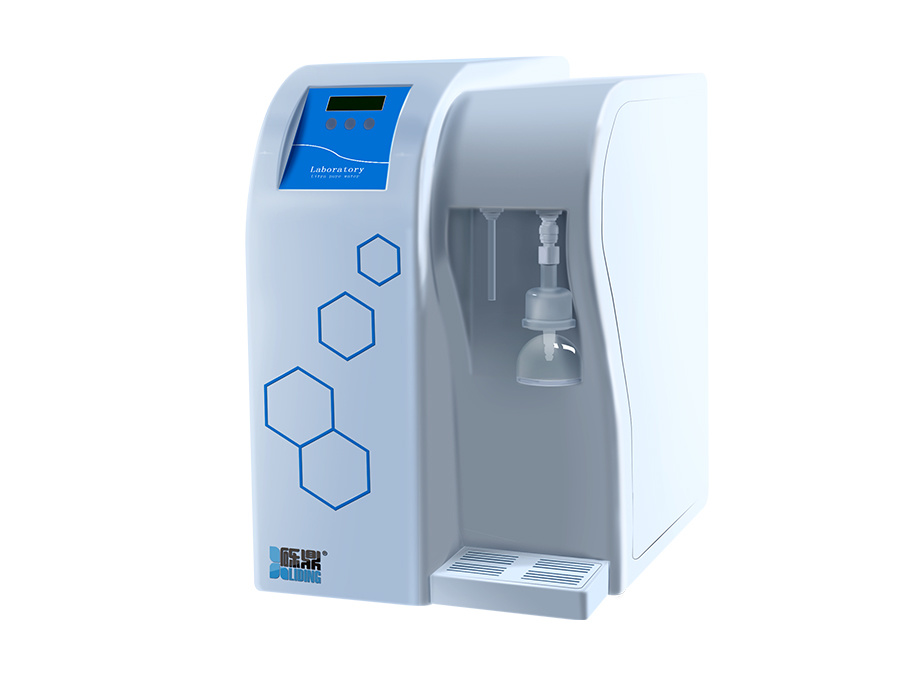
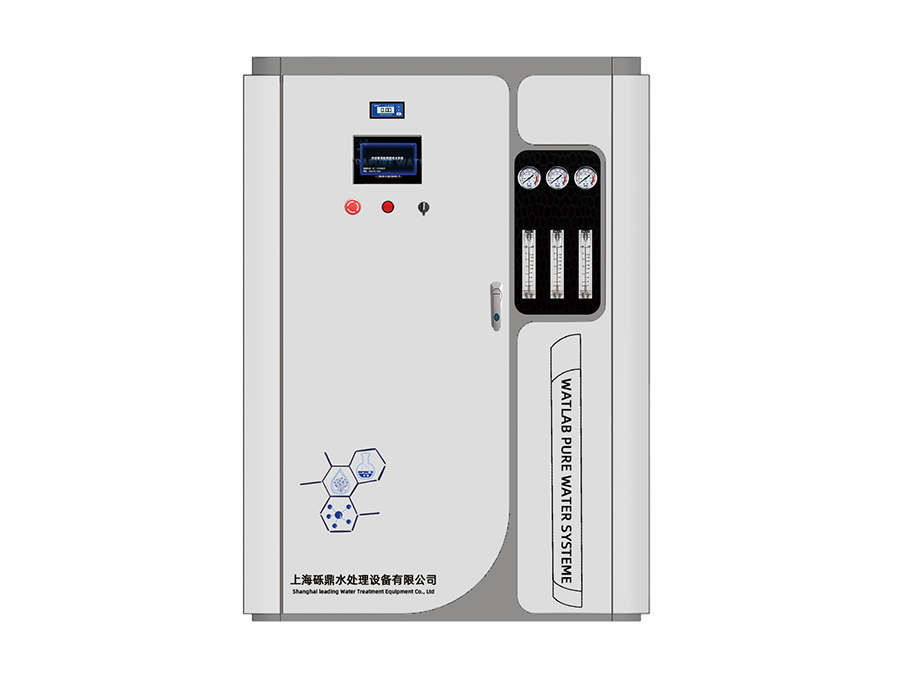
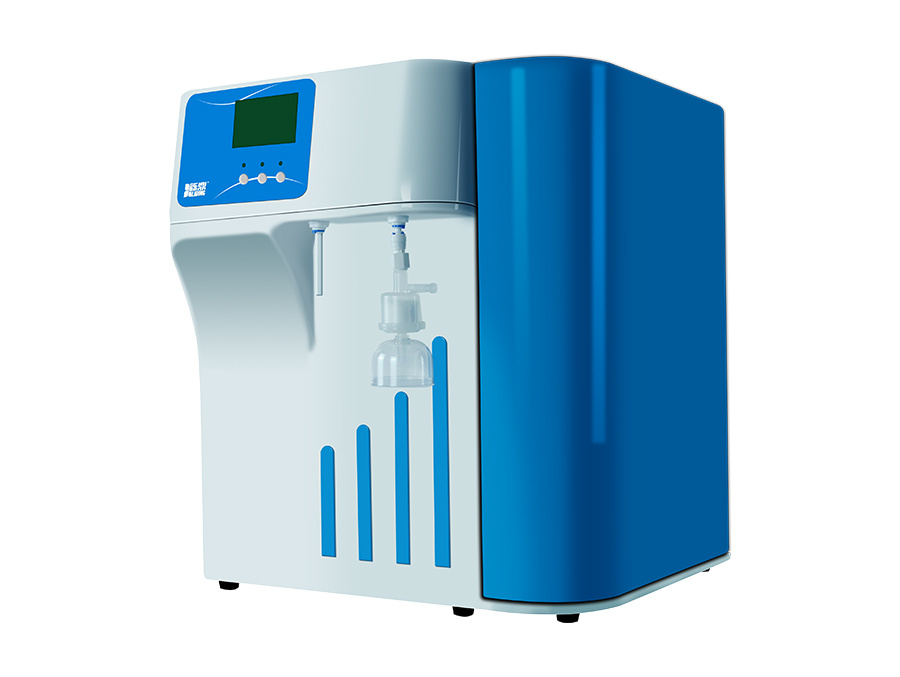
Furthermore, the production capacity of the ultrapure water system is crucial. Laboratories with high throughput may require systems that can produce large volumes of ultrapure water continuously and efficiently. It is also important to consider the system's footprint and how it will fit within the laboratory space. Many modern ultrapure water systems are compact and designed for easy integration into existing laboratory setups.
Another key consideration is the maintenance and operational costs associated with the ultrapure water system. Regular monitoring and maintenance are necessary to ensure optimal performance and longevity of the system. This includes periodic replacement of filters and membranes, as well as routine checks of water quality parameters to ensure compliance with specified standards.
In summary, ultrapure water systems are essential for laboratories that demand high-quality water for sensitive applications. By understanding the technologies involved and carefully evaluating the system's specifications and requirements, laboratories can optimize their water treatment processes, ultimately leading to more reliable and accurate results in their research and development endeavors.
One of the primary technologies employed in ultrapure water systems is reverse osmosis (RO). RO effectively removes a wide range of contaminants by forcing water through a semipermeable membrane. However, to achieve the highest level of purity, additional treatment processes are often utilized, including deionization (DI) and ultraviolet (UV) disinfection. Deionization uses ion exchange resins to eliminate ionic impurities, while UV treatment effectively inactivates bacteria and viruses, ensuring that the water is microbiologically safe.
In selecting an ultrapure water system for a laboratory, several factors should be considered. First, assess the specific water quality requirements of your applications. Different experiments or processes may necessitate varying degrees of water purity. Understanding the total organic carbon (TOC) limits and conductivity specifications is essential for determining the compatibility of the system with your laboratory's needs.
Furthermore, the production capacity of the ultrapure water system is crucial. Laboratories with high throughput may require systems that can produce large volumes of ultrapure water continuously and efficiently. It is also important to consider the system's footprint and how it will fit within the laboratory space. Many modern ultrapure water systems are compact and designed for easy integration into existing laboratory setups.
Another key consideration is the maintenance and operational costs associated with the ultrapure water system. Regular monitoring and maintenance are necessary to ensure optimal performance and longevity of the system. This includes periodic replacement of filters and membranes, as well as routine checks of water quality parameters to ensure compliance with specified standards.
In summary, ultrapure water systems are essential for laboratories that demand high-quality water for sensitive applications. By understanding the technologies involved and carefully evaluating the system's specifications and requirements, laboratories can optimize their water treatment processes, ultimately leading to more reliable and accurate results in their research and development endeavors.
RELATED NEWS

Tel:
E-mail:
Ask For A Quick Quote
We will contact you within one working day. Please pay attention to your email