



Understanding Ultrapure Water Systems for Laboratory Applications
Time:
May 15,2025
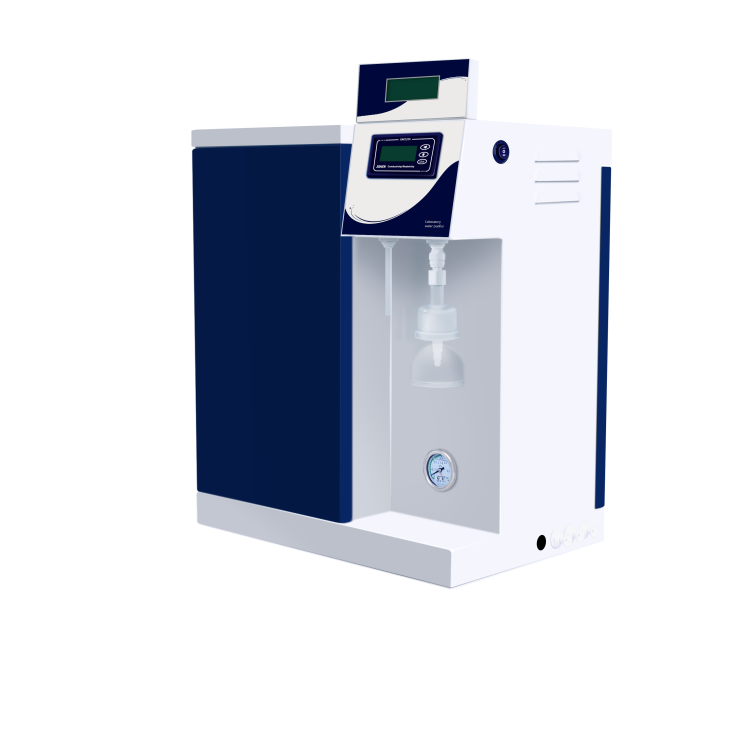
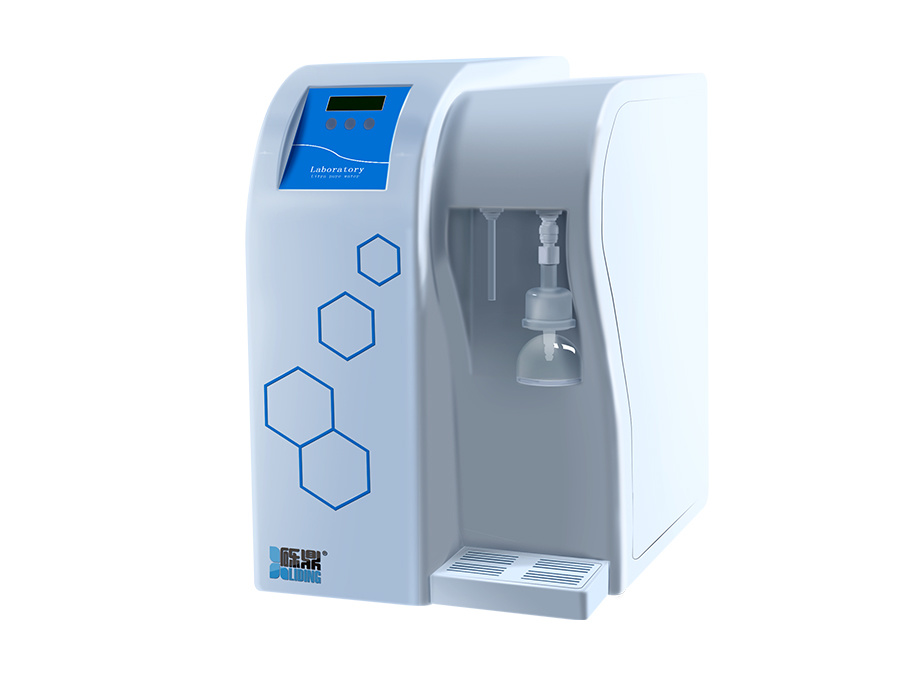
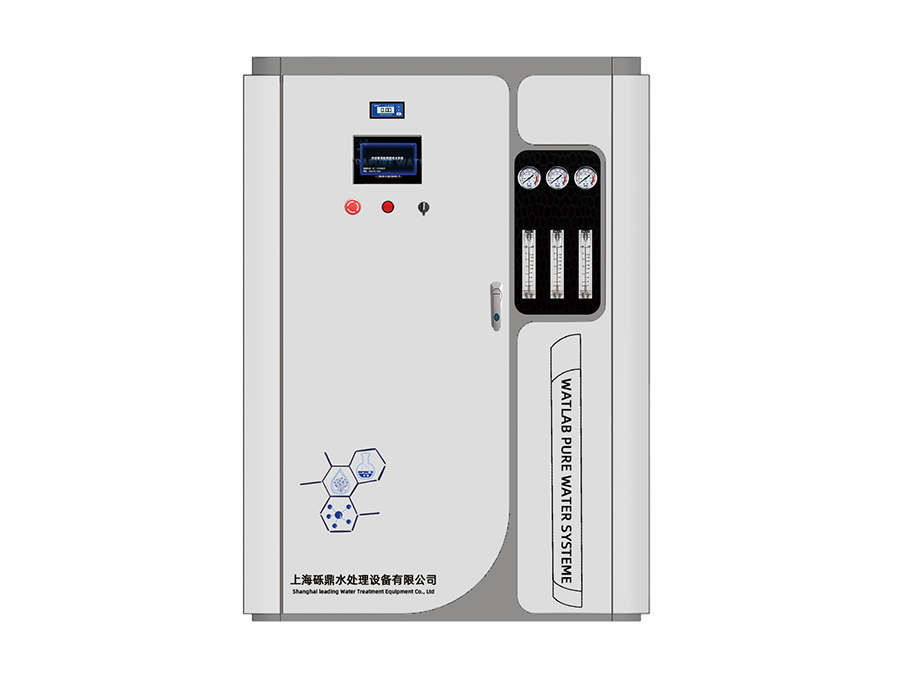
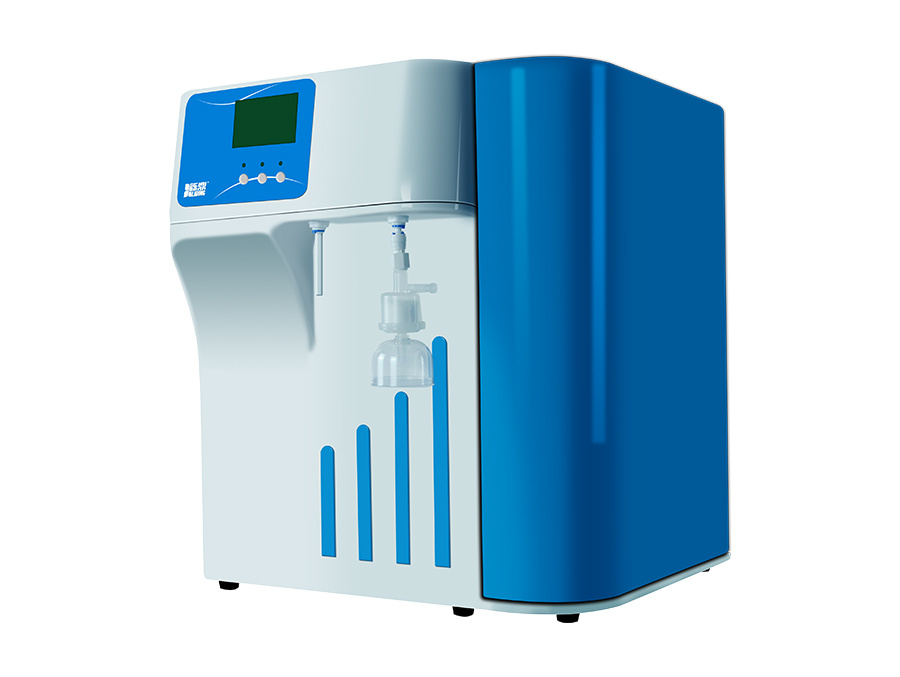
In the realm of laboratory operations, the quality of water used can significantly impact the accuracy of experiments and the integrity of results. An ultrapure water system is designed specifically to produce water with minimal impurities, thereby ensuring that research and testing are conducted under optimal conditions. These systems are critical in a variety of applications, including molecular biology, pharmaceuticals, electronics manufacturing, and analytical chemistry.
Ultrapure water systems utilize a combination of filtration and purification techniques to achieve water purity levels that meet stringent laboratory standards. Common processes involved include reverse osmosis, deionization, and filtration through activated carbon and ultrafiltration membranes. Each stage plays a crucial role in removing contaminants such as ions, organic compounds, bacteria, and particulates that can interfere with experimental outcomes.
One of the key benefits of using an ultrapure water system is its ability to consistently deliver high-quality water that meets the specific needs of various laboratory processes. For instance, in molecular biology, ultrapure water is essential for preparing reagents, buffers, and solutions where even trace contaminants can disrupt sensitive reactions, such as PCR or sequencing. Additionally, in the semiconductor industry, ultrapure water is crucial for cleaning and rinsing components to ensure product reliability and performance.
Maintaining an ultrapure water system involves regular monitoring and maintenance to ensure optimal performance. This includes routine checks of the filtration media, periodic replacement of cartridges, and calibration of sensors to verify the purity levels of the produced water. It's also important to maintain clean storage and distribution systems to prevent recontamination.
Moreover, it’s crucial to consider the specific needs of your laboratory when selecting an ultrapure water system. Factors such as the volume of water required, the purity levels needed, and the types of contaminants that are of concern will influence the system design. Custom solutions may be necessary to cater to unique laboratory requirements.
In conclusion, ultrapure water systems are indispensable tools in laboratories, facilitating high-fidelity research and ensuring that experiments yield reliable results. By understanding the functions and maintenance of these systems, laboratory professionals can enhance their workflows and uphold the standards of scientific investigation. Whether you are setting up a new lab or optimizing an existing one, investing in an effective ultrapure water system is a step towards achieving excellence in your scientific endeavors.
Ultrapure water systems utilize a combination of filtration and purification techniques to achieve water purity levels that meet stringent laboratory standards. Common processes involved include reverse osmosis, deionization, and filtration through activated carbon and ultrafiltration membranes. Each stage plays a crucial role in removing contaminants such as ions, organic compounds, bacteria, and particulates that can interfere with experimental outcomes.
One of the key benefits of using an ultrapure water system is its ability to consistently deliver high-quality water that meets the specific needs of various laboratory processes. For instance, in molecular biology, ultrapure water is essential for preparing reagents, buffers, and solutions where even trace contaminants can disrupt sensitive reactions, such as PCR or sequencing. Additionally, in the semiconductor industry, ultrapure water is crucial for cleaning and rinsing components to ensure product reliability and performance.
Maintaining an ultrapure water system involves regular monitoring and maintenance to ensure optimal performance. This includes routine checks of the filtration media, periodic replacement of cartridges, and calibration of sensors to verify the purity levels of the produced water. It's also important to maintain clean storage and distribution systems to prevent recontamination.
Moreover, it’s crucial to consider the specific needs of your laboratory when selecting an ultrapure water system. Factors such as the volume of water required, the purity levels needed, and the types of contaminants that are of concern will influence the system design. Custom solutions may be necessary to cater to unique laboratory requirements.
In conclusion, ultrapure water systems are indispensable tools in laboratories, facilitating high-fidelity research and ensuring that experiments yield reliable results. By understanding the functions and maintenance of these systems, laboratory professionals can enhance their workflows and uphold the standards of scientific investigation. Whether you are setting up a new lab or optimizing an existing one, investing in an effective ultrapure water system is a step towards achieving excellence in your scientific endeavors.
RELATED NEWS

Tel:
E-mail:
Ask For A Quick Quote
We will contact you within one working day. Please pay attention to your email