



The Essential Guide to Ultra Pure Water Equipment for Industrial Applications
Time:
Apr 21,2025
---
In the industrial sector, the need for high-quality water has become increasingly critical, particularly in applications such as pharmaceuticals, semiconductor manufacturing, and power generation. Ultra pure water (UPW) is essential in these industries, as even the slightest contamination can lead to substantial losses in product quality or operational efficiency. This is where ultra pure water equipment plays a vital role.
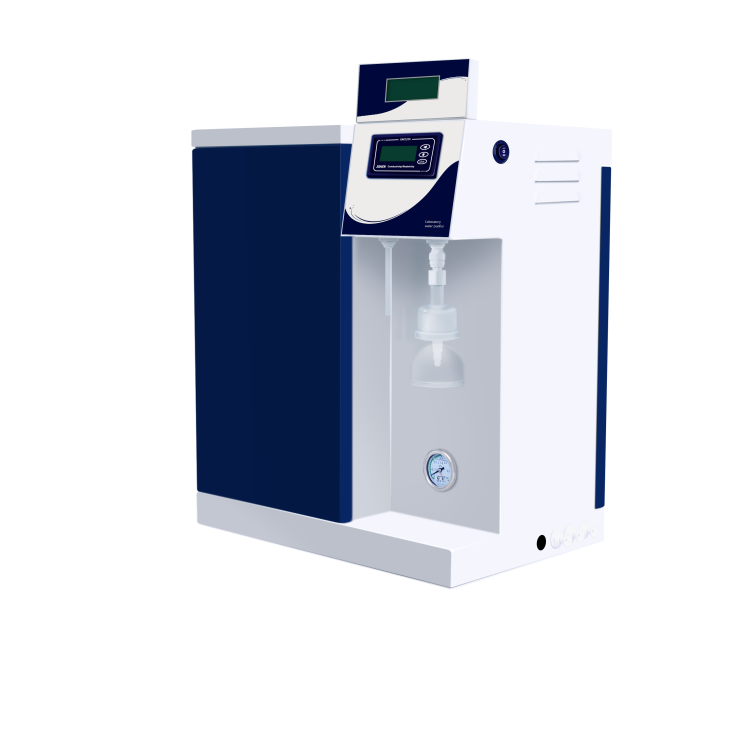
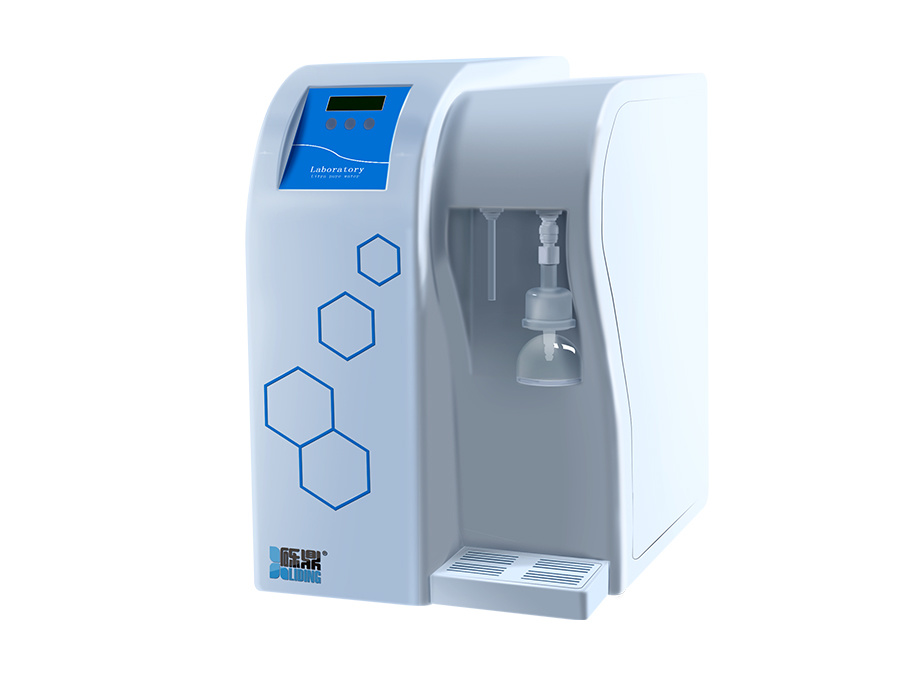
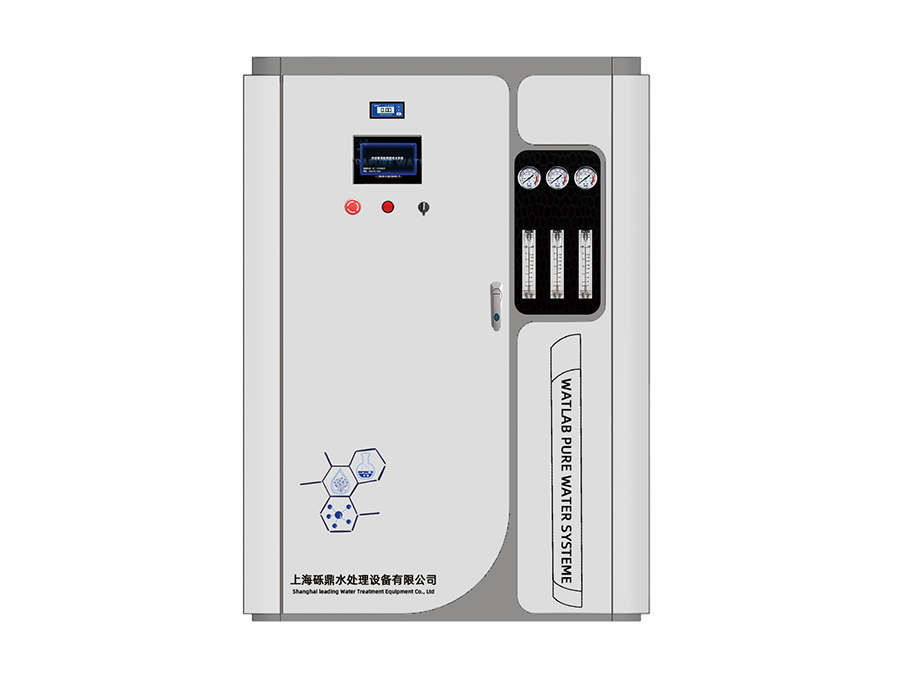
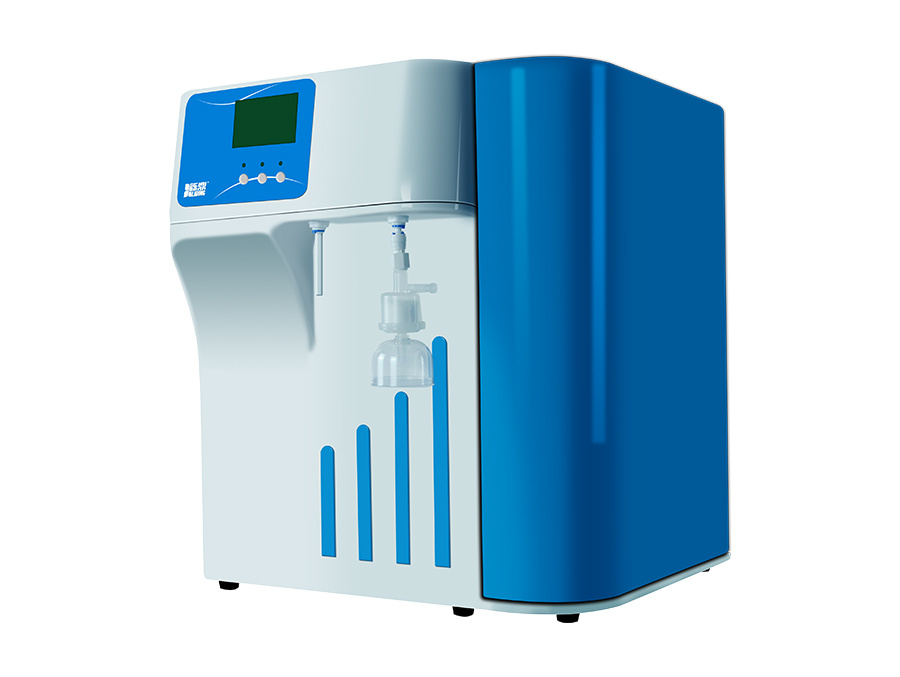
Ultra pure water equipment is specifically designed to remove impurities and contaminants from water, achieving a purity level that meets or exceeds industrial standards. These systems typically use a combination of advanced filtration techniques, including reverse osmosis, deionization, and distillation. Each method serves a unique purpose, but together they ensure that the final output is free of ions, organic compounds, and other potential pollutants.
Reverse osmosis (RO) is one of the most widely used methods in ultra pure water production. It employs a semipermeable membrane to separate contaminants from water, effectively allowing only pure water molecules to pass through. This process can remove up to 99% of dissolved salts and other impurities, making it a critical step in the production of ultra pure water.
Following reverse osmosis, deionization (DI) further purifies the water by removing charged particles. This process typically involves passing water through ion exchange resins that attract and capture unwanted ions, such as calcium, magnesium, and silica. The result is water that is not only physically clean but also chemically pure, making it ideal for sensitive industrial applications.
In addition to RO and DI, distillation is another effective method used in ultra pure water equipment. By heating water to create steam and then condensing that steam back into liquid form, distillation effectively eliminates a wide range of contaminants, including bacteria, viruses, and heavy metals. This method is particularly useful in applications that require the highest levels of purity.
The importance of ultra pure water equipment cannot be overstated. In the pharmaceutical industry, for example, UPW is essential for producing drugs and vaccines, where even trace amounts of contaminants can compromise safety and efficacy. Similarly, in semiconductor manufacturing, the use of ultra pure water is crucial for rinsing wafers and preventing defects that could lead to costly recalls.
Moreover, investing in high-quality ultra pure water equipment can enhance operational efficiency. By ensuring a consistent supply of pure water, businesses can minimize downtime and reduce the risk of contamination-related issues. This translates to improved productivity and cost savings over time.
In conclusion, ultra pure water equipment is an indispensable asset for industries that rely on pristine water quality. By employing advanced purification technologies, these systems not only meet stringent regulatory requirements but also contribute significantly to operational success. As industries continue to prioritize quality and efficiency, the role of ultra pure water equipment will only grow in importance.
In the industrial sector, the need for high-quality water has become increasingly critical, particularly in applications such as pharmaceuticals, semiconductor manufacturing, and power generation. Ultra pure water (UPW) is essential in these industries, as even the slightest contamination can lead to substantial losses in product quality or operational efficiency. This is where ultra pure water equipment plays a vital role.
Ultra pure water equipment is specifically designed to remove impurities and contaminants from water, achieving a purity level that meets or exceeds industrial standards. These systems typically use a combination of advanced filtration techniques, including reverse osmosis, deionization, and distillation. Each method serves a unique purpose, but together they ensure that the final output is free of ions, organic compounds, and other potential pollutants.
Reverse osmosis (RO) is one of the most widely used methods in ultra pure water production. It employs a semipermeable membrane to separate contaminants from water, effectively allowing only pure water molecules to pass through. This process can remove up to 99% of dissolved salts and other impurities, making it a critical step in the production of ultra pure water.
Following reverse osmosis, deionization (DI) further purifies the water by removing charged particles. This process typically involves passing water through ion exchange resins that attract and capture unwanted ions, such as calcium, magnesium, and silica. The result is water that is not only physically clean but also chemically pure, making it ideal for sensitive industrial applications.
In addition to RO and DI, distillation is another effective method used in ultra pure water equipment. By heating water to create steam and then condensing that steam back into liquid form, distillation effectively eliminates a wide range of contaminants, including bacteria, viruses, and heavy metals. This method is particularly useful in applications that require the highest levels of purity.
The importance of ultra pure water equipment cannot be overstated. In the pharmaceutical industry, for example, UPW is essential for producing drugs and vaccines, where even trace amounts of contaminants can compromise safety and efficacy. Similarly, in semiconductor manufacturing, the use of ultra pure water is crucial for rinsing wafers and preventing defects that could lead to costly recalls.
Moreover, investing in high-quality ultra pure water equipment can enhance operational efficiency. By ensuring a consistent supply of pure water, businesses can minimize downtime and reduce the risk of contamination-related issues. This translates to improved productivity and cost savings over time.
In conclusion, ultra pure water equipment is an indispensable asset for industries that rely on pristine water quality. By employing advanced purification technologies, these systems not only meet stringent regulatory requirements but also contribute significantly to operational success. As industries continue to prioritize quality and efficiency, the role of ultra pure water equipment will only grow in importance.
RELATED NEWS

Tel:
E-mail:
Ask For A Quick Quote
We will contact you within one working day. Please pay attention to your email